
K18 = 18K Gold
75% Pure Gold
K18 • 18K • 750
14K = Stronger • 18K = Richer
Yes, K18 Is Solid Gold
If you ever wanted to buy a gold piece of jewelry, whether a ring, a necklace, or a bracelet, you most certainly have come across “k”, which is short for “karat”. Karat stands for the parts of gold a piece of jewelry has out of 24. This means 24k gold is 100% pure gold, whereas 22k gold, 18k gold, 14k gold, and 10k gold contain 91.7%, 75%, 58.3%, and 41.7% gold, while the rest of the percentage is for other metals, i.e. alloys, which may be copper, silver, nickel, zinc, etc., and make it easier to work with.
14K gold necklaces offer the perfect balance of luxury and durability, giving you a rich golden shine that’s strong enough for everyday wear.

As the World Gold Council explains,
‘Caratage’ is the measurement of purity of gold alloyed with other metals. 24 carat is pure gold with no other metals. Lower caratages contain less gold; 18 carat gold contains 75 per cent gold and 25 per cent other metals, often copper or silver.
Table of Contents
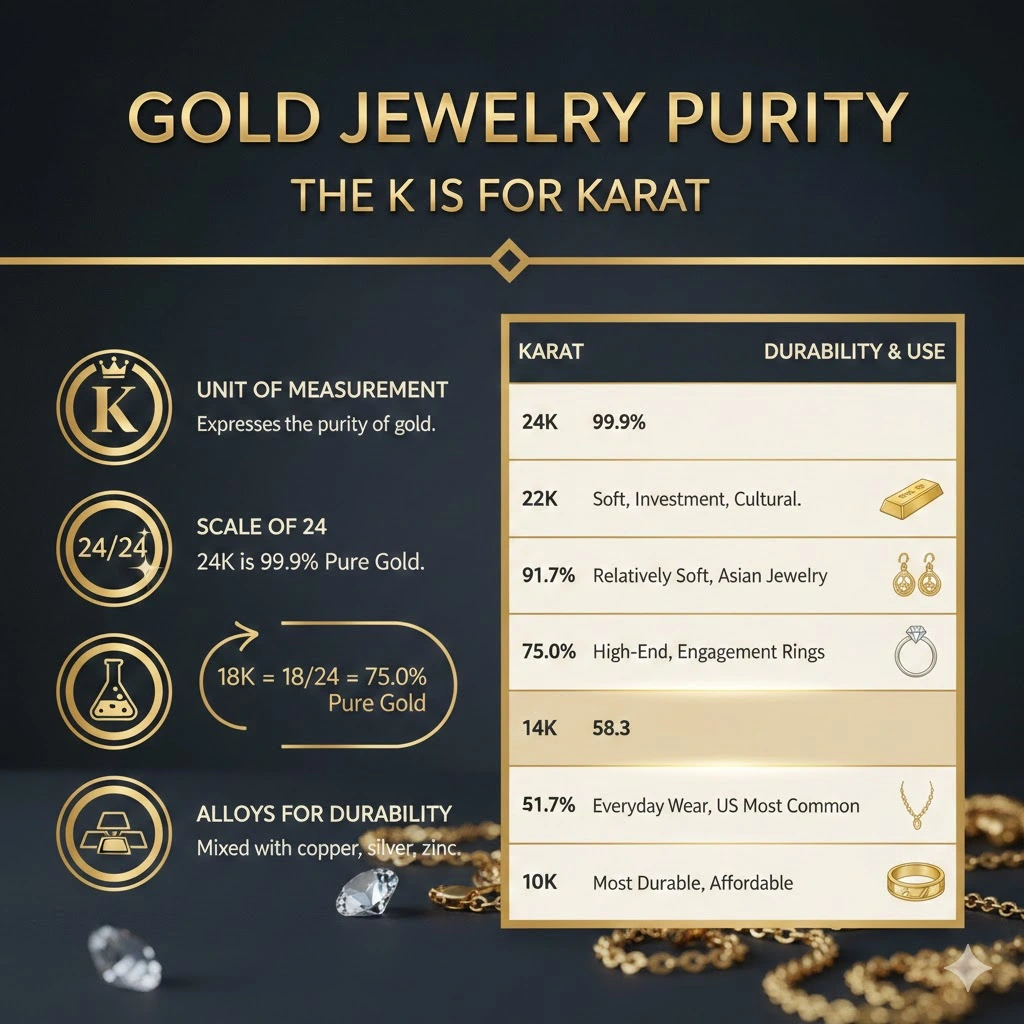

| K Gold | The Percentage of Gold | Durability | Affordability |
| 24k Gold | 100% pure gold | * | * |
| 22k Gold | 91.7% gold | ** | ** |
| 18k Gold | 75% gold | *** | *** |
| 14k Gold | 58.3% gold | **** | **** |
| 10k Gold | 41.7% gold | ***** | ***** |
K18 Hallmark Meaning: What Does K18 Mean on Gold?
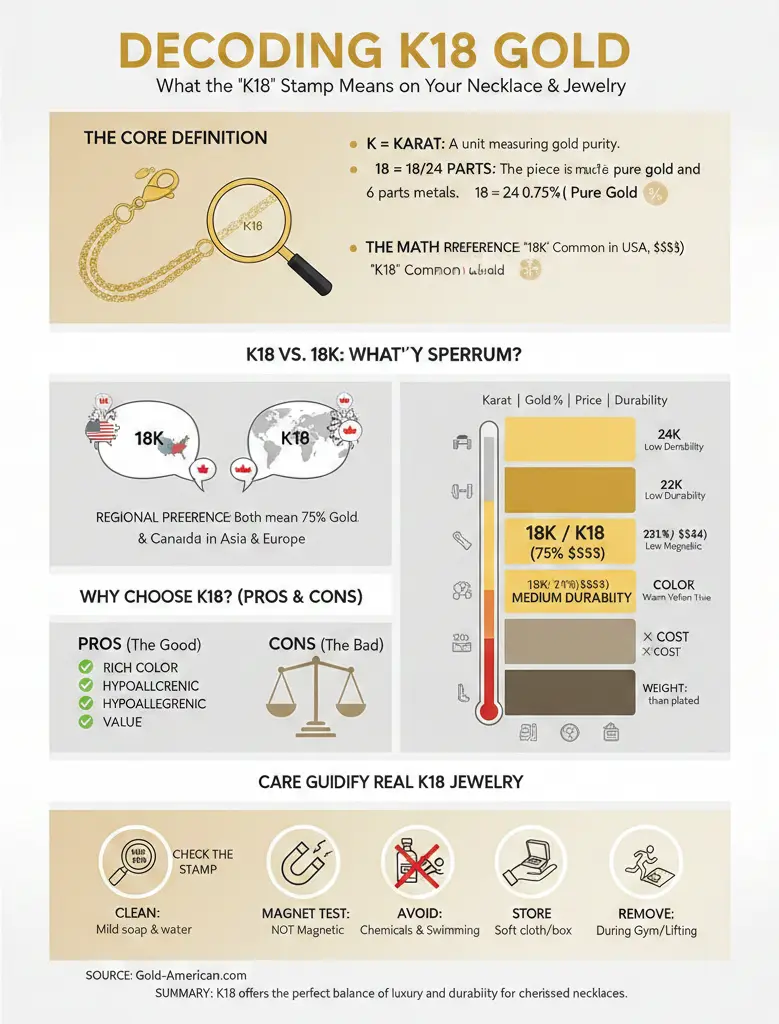
The K18 hallmark indicates that a piece of jewelry is made of 18-karat gold, meaning it contains 75% pure gold and 25% other metals, such as copper or silver. The letter “K” stands for karat, while “18” represents the gold’s purity level. This hallmark helps identify the gold content of a piece of jewelry.
K18 vs. 18K Gold: What Is the Difference?
The difference is mostly how it’s written: “18K” is common in the US, “K18” is often used in Japan and some other countries.
- Both are made by mixing pure gold with other metals (like silver or copper) to make it stronger.
- The color, durability, and value are basically the same for K18 and 18K.
- If you see K18 on a piece and 18K on another, don’t worry – they’re equal in quality.
- Always check for a proper stamp (18K, 750, or K18) to be sure it’s real.
- So when choosing jewelry, focus more on design and trust in the seller than on K18 vs. 18K.
Understanding what K18 means is an important part of learning about gold purity. However, many buyers are also interested in how lower-karat options compare in terms of durability, color, and price. Our 10K vs 14K Gold Comparison explains the key differences and helps you choose the right gold jewelry for everyday wear.
🥇 14K Gold
58.3% Pure Gold
- ✅ Stronger & More Durable
- ✅ Better Scratch Resistance
- ✅ More Affordable
- ✅ Ideal for Daily Wear
- ✅ Great for Rings & Bracelets
- ✅ Better for Active Lifestyles
👑 18K Gold
75% Pure Gold
- ✅ Higher Gold Content
- ✅ Richer Yellow Color
- ✅ More Luxurious Appearance
- ✅ Better for Sensitive Skin
- ✅ Higher Intrinsic Value
- ⚠️ Softer Than 14K Gold
14K gold is stronger than 18K gold, so it is better for everyday wear. It is more resistant to scratches, bending, and daily damage.
14K gold is also more affordable while still offering real gold quality. For rings, bracelets, and daily jewelry, 14K is often the smarter choice.
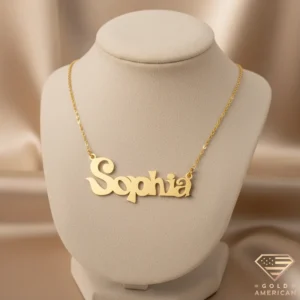
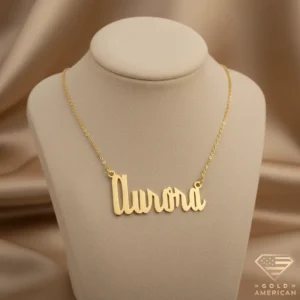
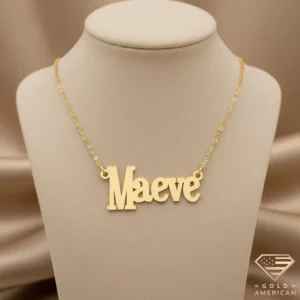
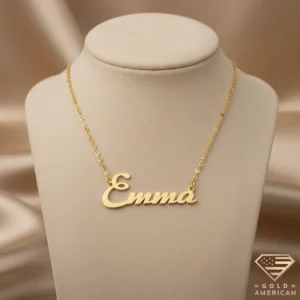
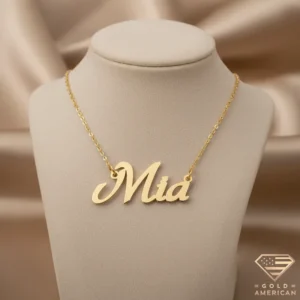
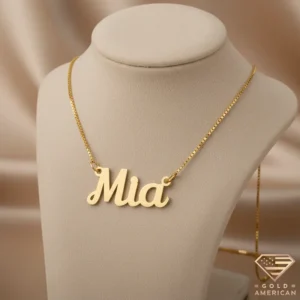
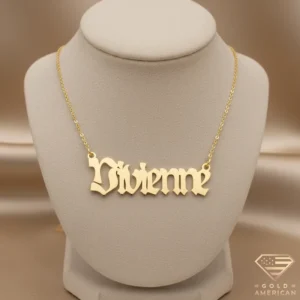
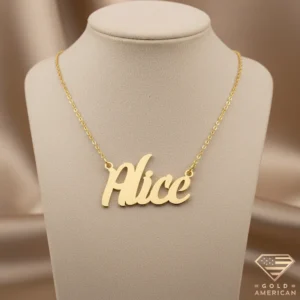
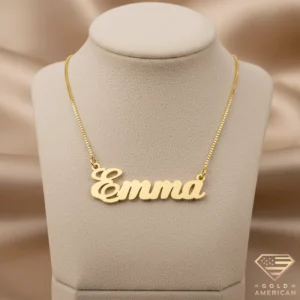
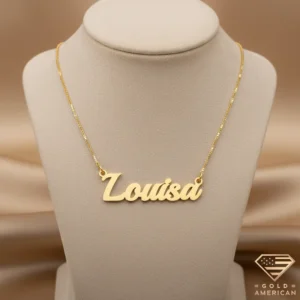
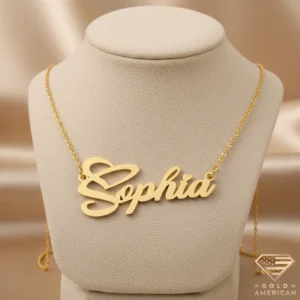
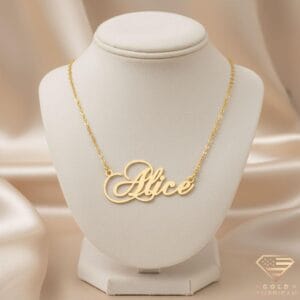
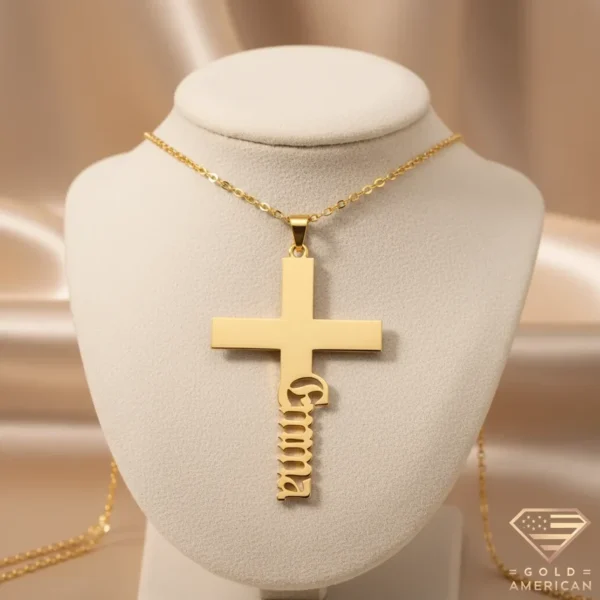
If you’re looking for a personalized piece that combines rich color and lasting value, an 14K gold name necklace is one of the most popular choices for everyday luxury.
Why choose 18k gold over other karat levels?
As mentioned above, 18k gold is 18 out of 24 parts real gold; 75% in other words. This makes it strong, easily wearable, and affordable, with a rich golden color. If durability is your top priority, 14K gold rings offer a similar look with even greater resistance to everyday wear.

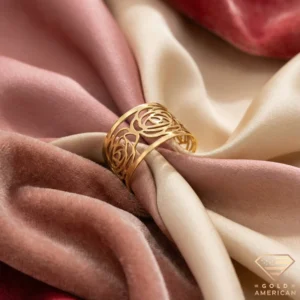
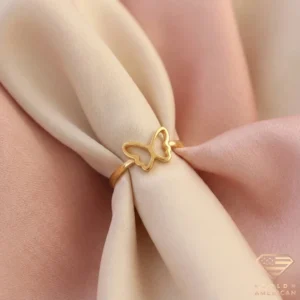
Is K18 Gold the Same as 18K Gold?
Yes, it is. They both mean they contain 75% pure gold, yet they are usually used in different regions. While 18K gold is used in countries like the USA, Canada, and the UK, K18 is common in Asian countries and other European ones.
Not sure which karat is right for you? Compare our collection of 14K personalized name necklaces to find the best balance of durability, color, and price.
What does 18k RS gold mean?
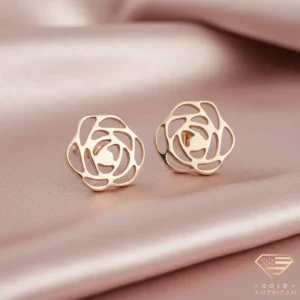
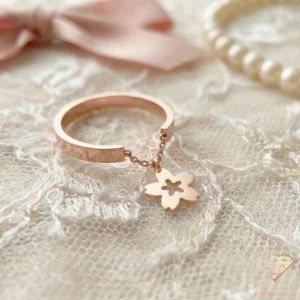
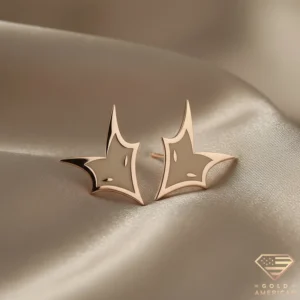
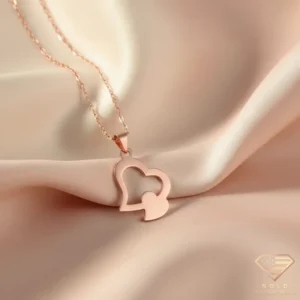
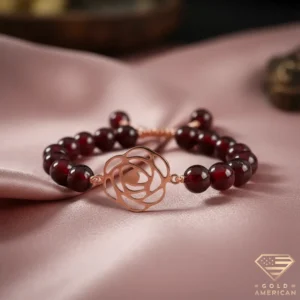
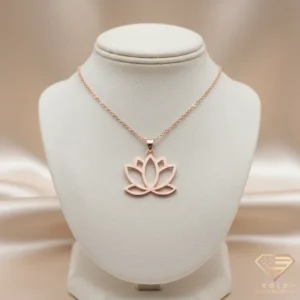
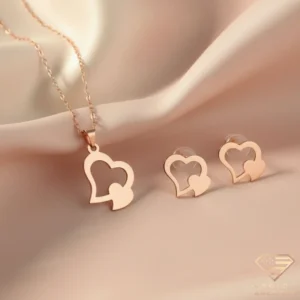
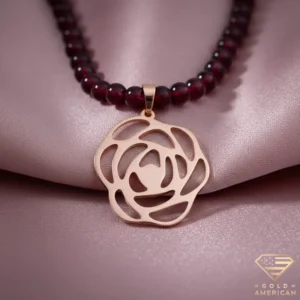
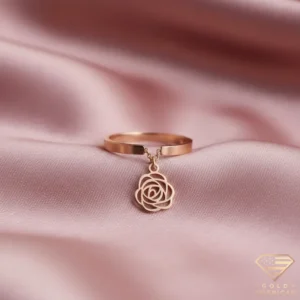
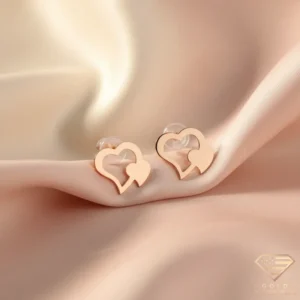
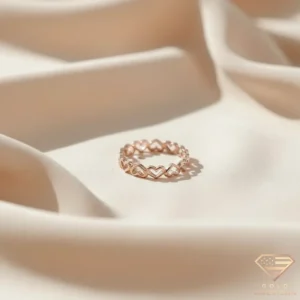
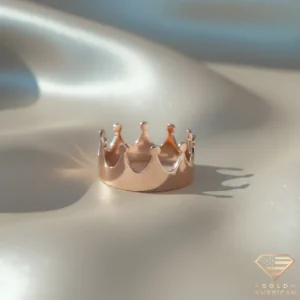
The most common interpretation for RS gold is “rose gold.” 18K RS gold is 75% gold, mixed with copper and a small amount of silver to create its distinctive reddish-pink color. If you love this warm and romantic tone, explore our collection of Rose Gold Jewelry. However, this is not the only interpretation of RS. In some cases, it may also stand for “rolled sheet,” referring to a manufacturing method that uses sheets of gold during production.

Do we also have 18k silver?
No, we do not. Although gold purity is measured through parts, silver is measured in parts per thousand. This means, as an example, sterling silver is 925, which is 92.5% pure silver.
A Gold Plated vs. Sterling Silver guide helps you understand the differences in durability, color, value, and skin sensitivity so you can choose the best metal for your style and lifestyle.
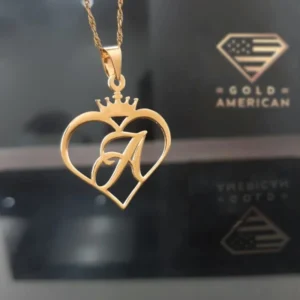
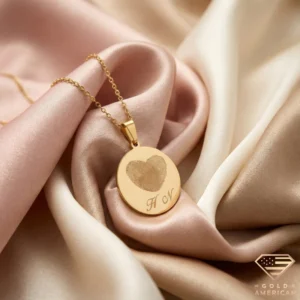
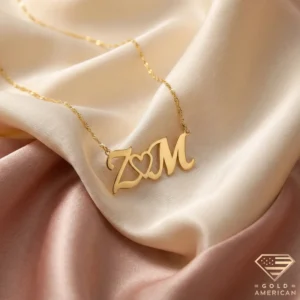
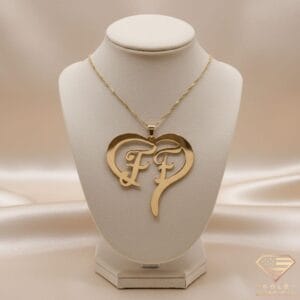
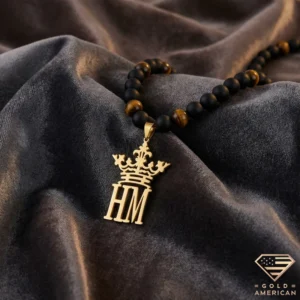
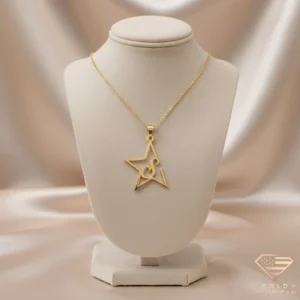
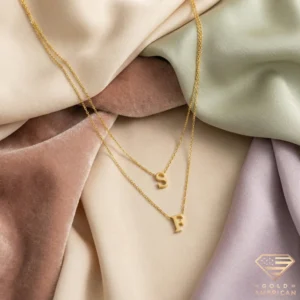
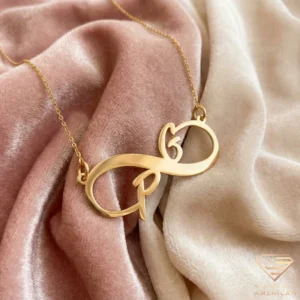
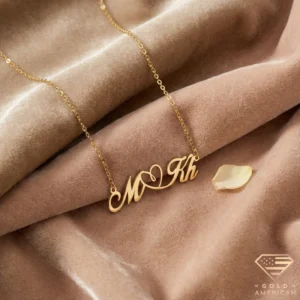
Personalized gold initial necklaces let you create a meaningful piece that reflects your style, story, or someone you love, turning everyday jewelry into something truly unique.



Is 18k gold a global standard?
As popular as 18k gold can be, it is not a global standard. The purity of gold may vary from country to country, based on their cultural and economic backgrounds. European countries, as well as the countries in Southeast Asia, do consider 18k gold their standard, or at least one of them, whereas the USA and Canada consider 14k gold more common, and the Middle Eastern countries 22k.
The pros and cons of 18k gold
Although 18k gold has higher pure gold than the lesser k gold, a very rich color, and a great balance of softness and hardness which makes it perfect for daily wear but still luxurious, it is still soft, which may make it less ideal for more active lifestyles, and more expensive.
Is 18k gold a good investment?
Considering the high gold content, the balance between durability and value, being globally recognized, and the high resale value of 18k gold, investing in it can be a good choice. However, since it is not 100% pure gold, and considering the cost of craftsmanship, design, and brand included, as well as the effects that may be cause by wearing the jewelry, it may not be the best option for investment.
🔍 How to Identify 18K Gold Jewelry
There are several reliable ways to determine whether a piece of jewelry is genuine 18K gold.
Look for stamps such as 18K, 18Kt, K18, 750, or AU750.
18K gold has a rich color and feels heavier than most plated or fake jewelry.
Real gold is not magnetic. If it strongly sticks to a magnet, it is likely not solid gold.
18K gold should not react to the proper acid-testing solution.
A fast and accurate way to measure gold purity.
Professional non-destructive testing that accurately identifies gold composition.
How to care for 18k gold jewelry?
There are some ways to ensure your jewelry remains as new as the first day. These include:
| Action | Frequency |
| Clean gently and regularly | Every 2-4 weeks |
| Avoid harsh chemicals | Always |
| Store properly | Always |
| Remove during tough activities | Always |
| Inspect for damage | Every few months |
| Professional polish / check up | Yearly |
Is 18k jewelry waterproof?
Technically speaking, 18k gold is waterproof, meaning the water doesn’t tarnish or rust the metal. In spite of that, it doesn’t mean that the water doesn’t damage the jewelry at all. The chemicals and minerals present in water can dull the shine of the jewelry over time, and the alloys may react negatively if exposed to water for a long period of time. The gem settings may also be damaged, and there’s always the risk of losing your jewelry that needs to be considered.
Overall, 18k gold is made up of 18 out of 24 parts gold, with the other 6 parts being other metals. Because of its balance in price, durability, and its rich color, it is of the most popular gold karats. If you are looking for a piece of jewelry that is valuable and wearable, 18k gold is just the thing for you.
K18GF Meaning: What Does K18GF Mean on a Necklace or Ring?
K18GF stands for “18K Gold-Filled”, which is much higher quality than gold plated jewelry.
Gold-filled jewelry has a thick mechanical bond of real gold permanently attached to the base metal. In most countries, gold-filled items must have 5% or more real gold by weight, making it more durable and longer-lasting than standard gold plating.
Is K18GF similar to solid gold?
It looks and feels close to solid gold and keeps its shine for years, even with everyday wear. While it is not 100% solid gold, it is strong, durable, hypoallergenic, and higher quality than GP.
Why choose K18GF?
- Long-lasting gold shine
- Better resistance to water and daily wear
- More affordable than solid 18K gold
- Good option for rings, necklaces, and bracelets
| Stamp | Real Gold Type | Durability | Best For |
|---|---|---|---|
| K18GP | Thin plating of 18K gold | Can fade over time | Trend jewelry or occasional wear |
| K18GF | Thick bonded layer of 18K gold | Long-lasting and higher quality | Everyday wear, rings, bracelets, necklaces |
| K18 (or 18K) | Solid 18K gold | Lifetime quality | Fine jewelry and investment pieces |
Common mistakes people make about K18 gold
- Thinking K18 means “fake” or “plated” gold
Many people see “K18” and assume it’s gold-plated. It actually means 18-karat solid gold, which is 75% pure gold mixed with alloys for strength.If you’d like to learn more about the differences between solid gold, plated gold, and other gold alternatives, see our Real Gold vs Fake Gold guide. - Confusing K18 with 24K pure gold
Some buyers think K18 is the same as 24K. 24K is 99.9% pure gold, very soft; K18 is 18/24 parts gold (75%), so it’s a bit less pure but much more durable for everyday jewelry. - Assuming all K18 pieces have the same color
People expect every K18 piece to be the same yellow. In reality, rose, yellow, and white K18 all have the same gold content; the different alloys (copper, silver, palladium, etc.) change the color. - Not checking the stamp properly
Many buyers only look for “18K” and miss the “K18” or “750” stamp. All three 18K, K18, and 750 are standard markings for 18-karat gold, depending on the country and manufacturer. - Thinking higher karat is always better for everyday wear
Some believe K18 is always the best choice because it has more gold than 14K. But higher karat gold is softer, so for very active lifestyles or thin, delicate chains, 14K can sometimes be more practical and scratch-resistant.
FAQ
1. What does K18 mean on jewelry?
K18 means the piece is 18-karat gold, made of 75% pure gold and 25% other metals to add strength and adjust the color.
2. Is K18 real gold or just plating?
K18 is real solid gold, not plating. If a piece is plated, it will usually say things like “GP” (gold-plated), “GEP,” or “vermeil,” not just K18.
3. Is K18 better than 14K gold?
It depends on what you want. K18 has more pure gold (75% vs. 58.5%), so it’s richer in color and more valuable, but also softer. 14K is harder and more scratch-resistant, which can be better for daily wear and fine chains.
4. Why do I sometimes see “750” instead of K18?
“750” is the European hallmark for 18-karat gold, meaning 750 parts out of 1,000 are pure gold. It’s the same quality as K18/18K—just a different way to stamp it.
5. Can K18 gold tarnish or change color?
Pure gold doesn’t tarnish, but the alloy metals in K18 can react slightly over time, especially with sweat, perfume, or chemicals. It usually won’t turn green, but it may look a bit dull—regular gentle cleaning and proper storage will keep it shiny.