
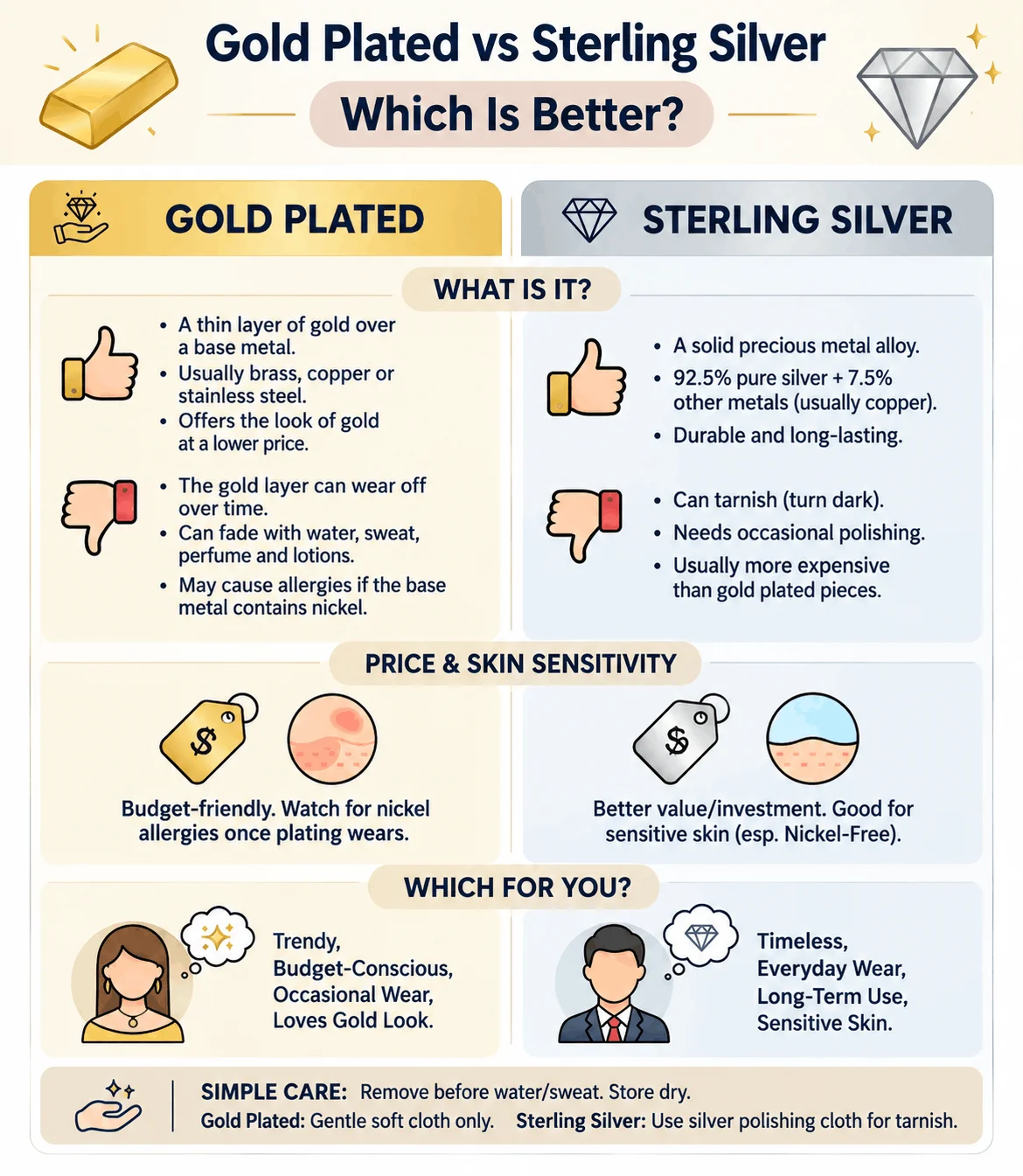
Gold Plated vs Sterling Silver: Quick Answer
Sterling silver is generally better for long-term durability, everyday wear, and overall value. Because it is a solid precious metal, it can last for years and can be polished when tarnished.
Gold plated jewelry is the better choice if you want the appearance of gold at a lower price. However, the thin gold layer can fade over time and may require extra care to maintain its appearance.
Choose sterling silver if you want a durable piece for daily wear. Choose gold plated jewelry if style, affordability, and the look of gold are your top priorities.
Gold Plated vs Sterling Silver: Key Differences
At first glance, gold plated and sterling silver jewelry can both look beautiful and stylish, but they are made in very different ways. Understanding these differences can help you choose the right piece for your budget, lifestyle, and long-term expectations.
✨ Gold Plated
- Looks like real gold
- More affordable
- Ideal for trendy styles
- Can fade as plating wears off
- Requires extra care around water and perfume
- Best for occasional wear
💎 Sterling Silver
- Made from 92.5% real silver
- Long-lasting and durable
- Can be polished and restored
- Usually better for daily wear
- Often suitable for sensitive skin
- Provides better long-term value
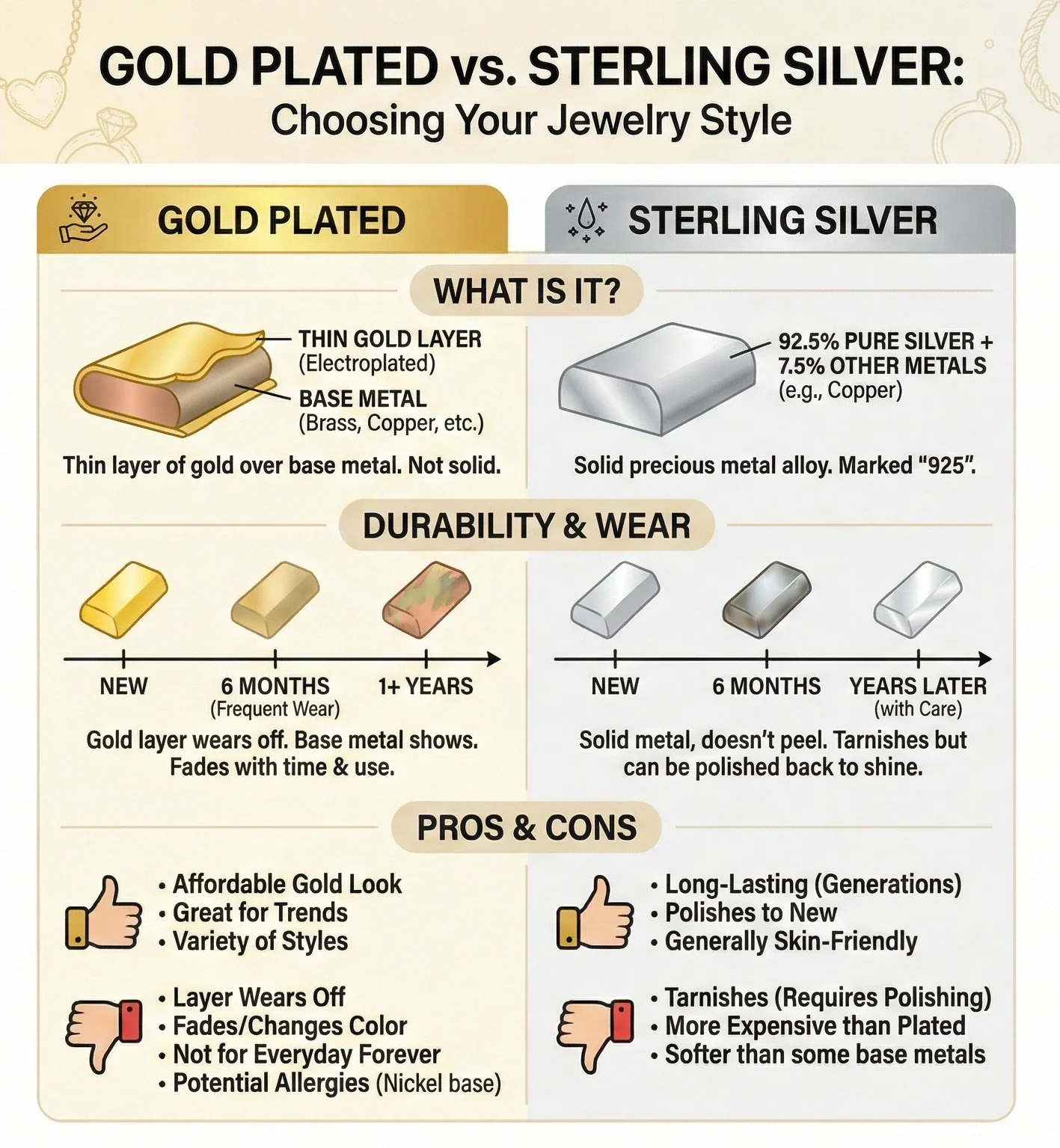
Gold plated jewelry consists of a thin layer of gold applied over a base metal such as brass, copper, or stainless steel. It offers the appearance of real gold at a much lower price, making it a popular choice for fashion jewelry and trend-driven designs. However, because the gold layer is only on the surface, it can gradually wear away with daily use.
Sterling silver, on the other hand, is a precious metal alloy made from 92.5% pure silver and 7.5% strengthening metals, usually copper. Unlike gold plated jewelry, sterling silver is solid throughout, meaning there is no coating to peel, chip, or wear off over time.
One of the biggest differences is durability. While gold plated jewelry can maintain its appearance for months or even years with proper care, sterling silver is generally better suited for long-term wear. Even if silver develops tarnish, it can usually be restored to its original shine through cleaning and polishing.
Maintenance is another important factor. Gold plated pieces require extra care to protect the gold layer from friction, moisture, perfumes, and chemicals. Sterling silver requires occasional polishing, but it does not lose its metal content or structural integrity as it ages.
Price also plays a significant role. Gold plated jewelry is often the more affordable option and allows shoppers to enjoy the look of gold without a large investment. Sterling silver usually costs more upfront but can provide better long-term value due to its durability and precious metal content.
For shoppers deciding between the two, the choice often comes down to priorities. If you want the luxurious appearance of gold at a budget-friendly price, gold plated jewelry may be the better option. If you prefer a piece that can withstand years of wear and remain valuable over time, sterling silver is typically the stronger investment.
If you’re comparing different jewelry materials, understanding how to mix gold and silver jewelry can also help you choose pieces that work well together and create a cohesive look.
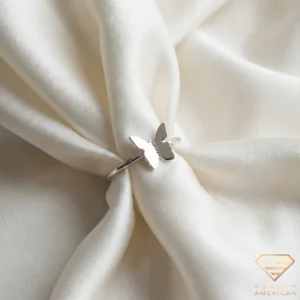
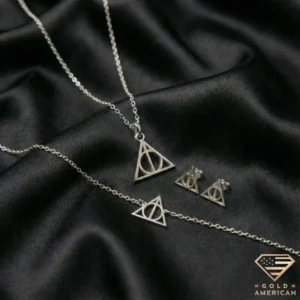
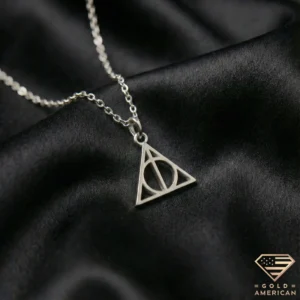
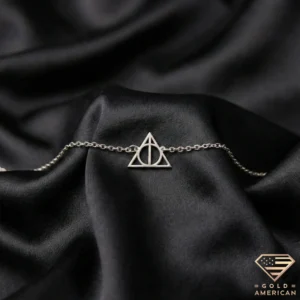
To explore Gold American’s silver collection, visit the collection through sterling silver jewelry. When selecting a product, you can also choose between Sterling Silver and Solid Gold to find the option that best suits your preference.
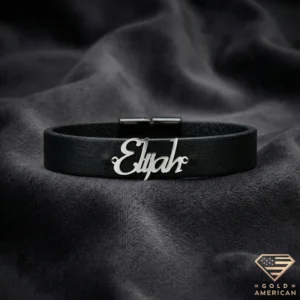
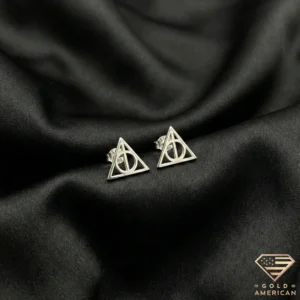
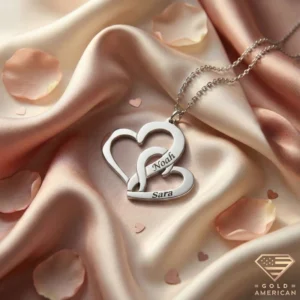
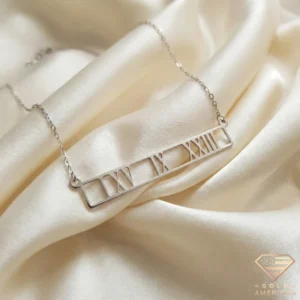
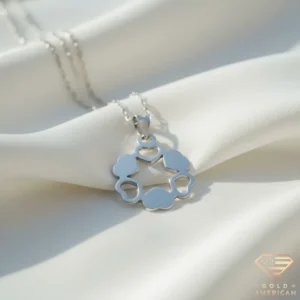
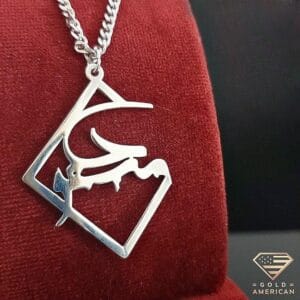
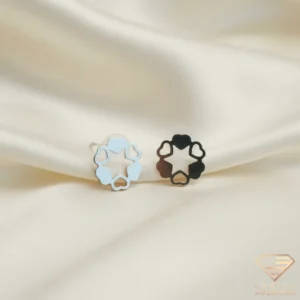
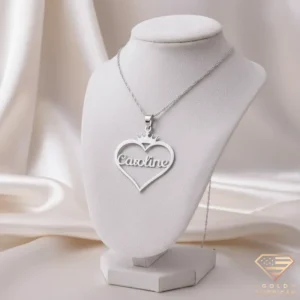
Sterling Silver or Gold Plated: Which Is Better?
The answer depends on what matters most to you. Neither sterling silver nor gold plated jewelry is universally “better”—each serves a different purpose and appeals to different needs.
If your priority is achieving the rich appearance of gold without spending a significant amount of money, gold plated jewelry can be an excellent choice. It offers the look of real gold at a fraction of the cost, making it ideal for fashion-forward buyers who enjoy changing styles, experimenting with trends, or building a versatile jewelry collection on a budget.
Sterling silver, however, is often considered the better option for long-term wear. Because it is a solid precious metal alloy rather than a coated material, it can withstand years of use without losing its core appearance or value. Even when sterling silver develops tarnish, the metal can usually be restored through simple cleaning and polishing.
For everyday jewelry such as rings, necklaces, bracelets, and earrings that will be worn frequently, sterling silver generally offers greater durability and longevity. Gold plated jewelry is typically better suited for occasional wear, special events, or statement pieces that are not exposed to constant friction and daily use.
People with sensitive skin may also prefer sterling silver, especially high-quality nickel-free options. Gold plated jewelry can become less comfortable over time if the gold layer wears away and exposes the base metal underneath.
Budget is another important consideration. Gold plated jewelry is usually the more affordable option upfront, while sterling silver often requires a slightly larger investment. However, many buyers find that sterling silver provides better long-term value because it can last significantly longer with proper care.
In simple terms, choose gold plated jewelry if you want the appearance of gold at the lowest possible cost and don’t mind occasional replacement. Choose sterling silver if you want a durable, timeless piece that can remain part of your jewelry collection for many years.
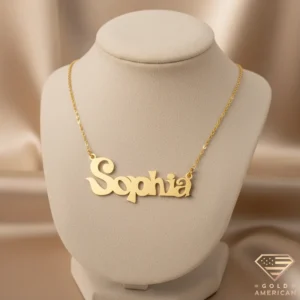
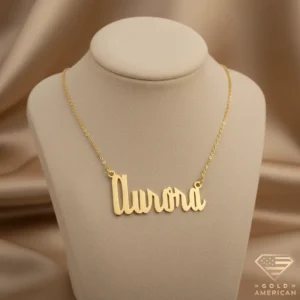
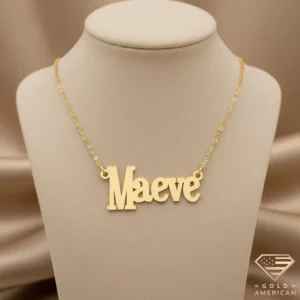
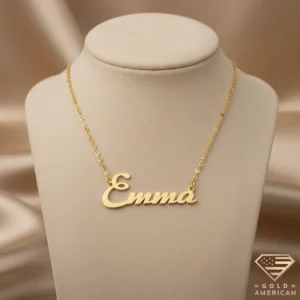
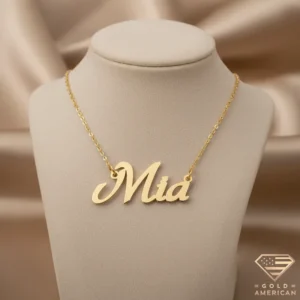
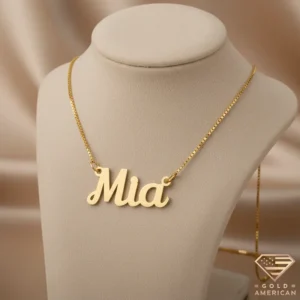
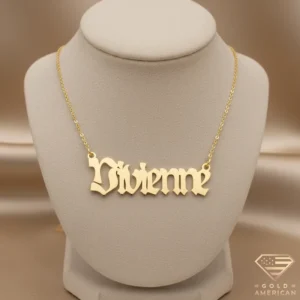
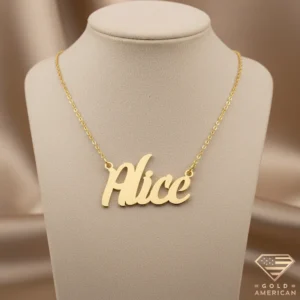
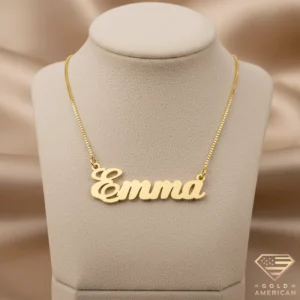
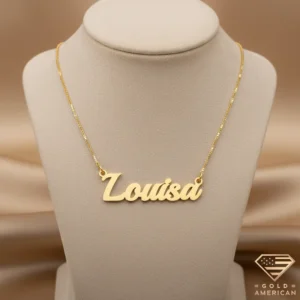
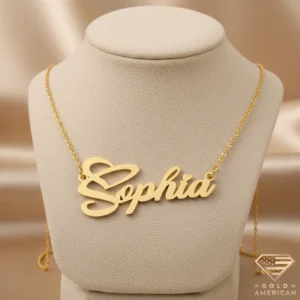
At Gold American, we offer jewelry in Gold Vermeil and 14K Solid Gold. If you prefer a silver personalized name necklace, you can simply select the Silver option when placing your order.
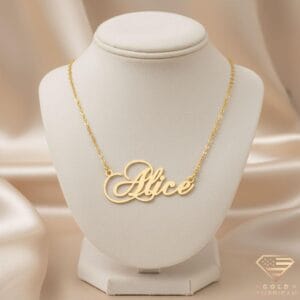
What Is Gold Plated Jewelry?
Gold plated jewelry is basically a thin layer of gold over a base metal.
- The base metal is usually brass, copper, or sometimes stainless steel.
- A very thin layer of gold is added on top through an electroplating process.
- The thickness of the gold layer can vary a lot. Thicker plating usually means it will last longer.
✓ Pros
- Looks like real gold but much more affordable
- Great for trendy, seasonal pieces
- Perfect if you love the gold look without the solid gold price
✕ Cons
- The gold layer can wear off over time, especially on rings and bracelets
- It can fade or change color with water, sweat, perfume, and lotions
- If the base metal contains nickel, it may cause allergies in sensitive skin
If you have sensitive skin, it’s important to consider the metals used in your jewelry, as some people may experience an allergy to gold or reactions to other metals in the piece.
Gold plated is amazing if you want the gold look for less, but it’s not a forever piece.
If you prefer the look of gold without choosing a plated finish, exploring the Best Gold Necklaces for Women can help you discover solid gold options in different styles and designs.
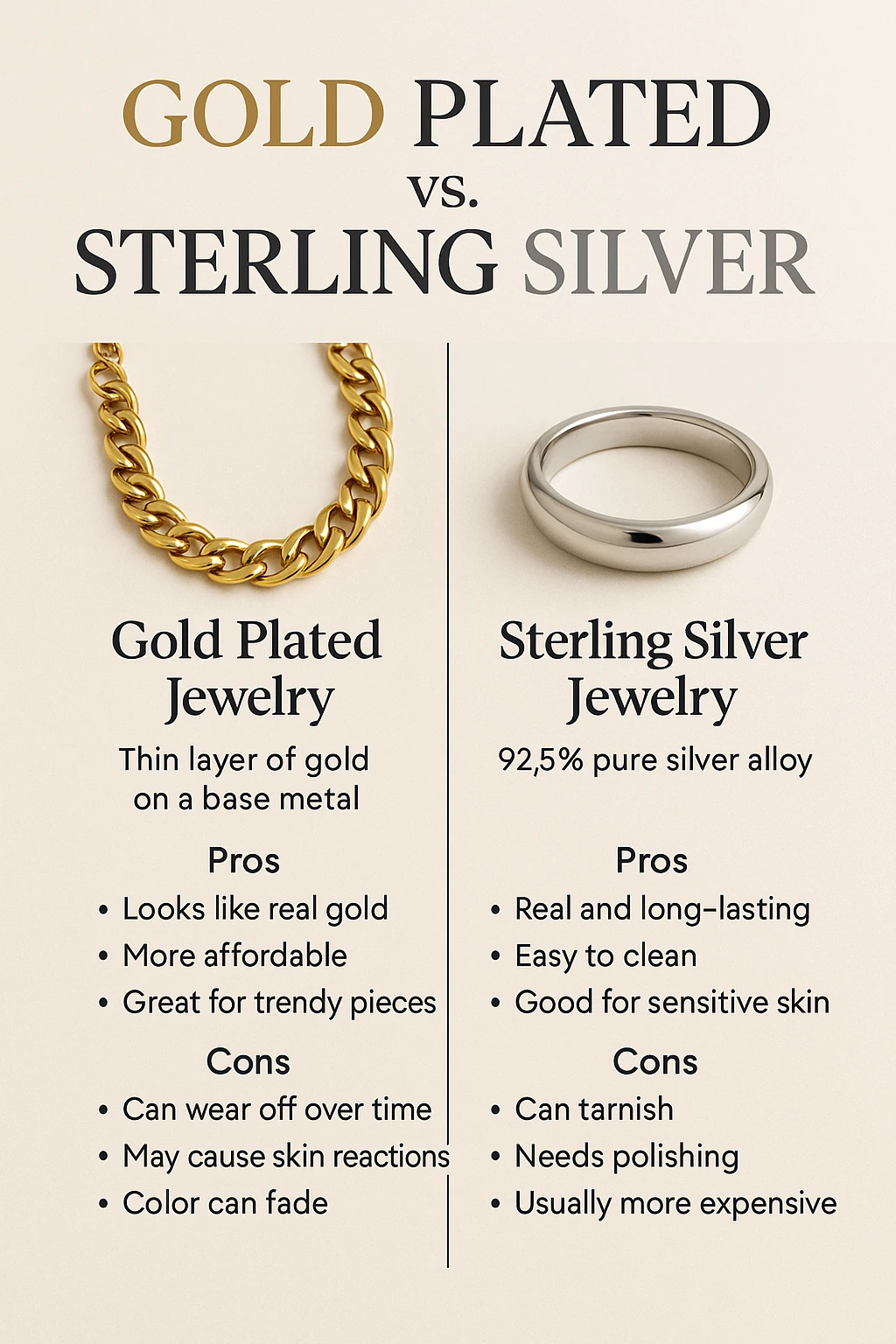
What Is Sterling Silver?
Sterling silver is a precious metal alloy, not just a surface coating.
- It’s usually marked as “925”, meaning it’s 92.5% pure silver and 7.5% other metals (often copper).
- That small amount of added metal makes silver harder and more durable than pure silver, which is very soft.
✓ Pros
- Real metal all the way through – no layer to wear off
- Can last for many years, even generations with proper care
- Easy to clean and polish back to a bright shine
- Often a good option for sensitive skin, especially when nickel-free
✕ Cons
- Can tarnish when exposed to air, humidity, sweat, or certain chemicals
- Needs occasional polishing and care to stay shiny
- Usually more expensive than simple gold plated pieces
Sterling silver is great if you want something long-lasting, real, and timeless, and you don’t mind a little maintenance.
If you’re deciding what to buy, this solid gold vs gold plated guide clearly explains the differences in durability, value, and everyday wear so you can choose with confidence.
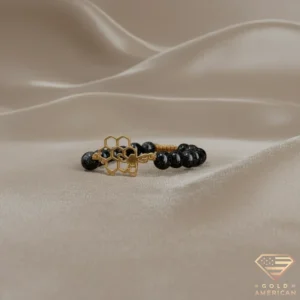
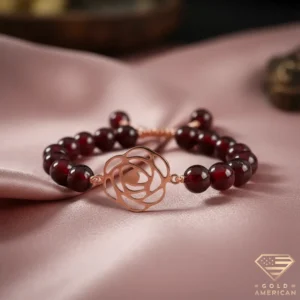
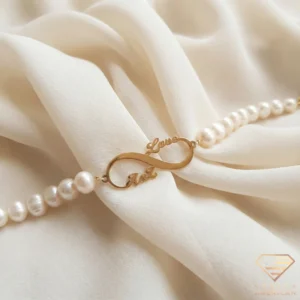
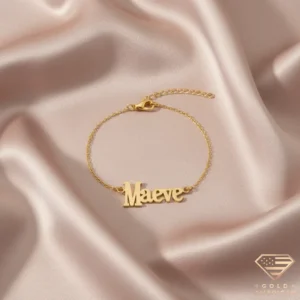
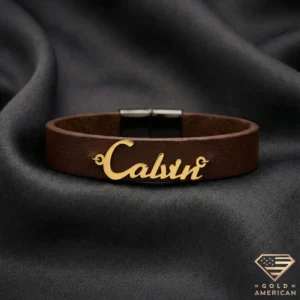
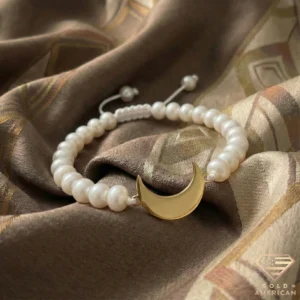
Now that you know the key differences between solid gold and gold plated jewelry, explore our collection of bracelets and find a style that matches your preferences and everyday look.
how soft is silver compared to gold
- Silver is generally softer than most gold alloys used in jewelry, especially 14K gold.
- Pure gold is very soft, but jewelry gold is mixed with stronger metals to improve durability.
- Sterling silver can scratch and bend more easily than 14K gold with daily wear.
- For long-lasting jewelry, gold alloys usually offer better strength, while silver is more affordable and elegant.
| Question | Answer | Common Mistakes | How to Avoid Mistakes |
|---|---|---|---|
| How soft is silver compared to gold? | Sterling silver is usually softer than 14K or 18K gold alloys, but pure gold is softer than silver. | Saying “gold is always harder than silver.” | Explain the difference between pure gold and gold alloys. |
| Is silver easy to scratch? | Yes, silver can scratch more easily with daily wear. | Wearing silver jewelry during heavy work or exercise. | Remove silver rings and bracelets before rough activities. |
| Is gold more durable than silver? | 14K gold is generally more durable than sterling silver. | Assuming all gold types have the same strength. | Choose 14K gold for better everyday durability. |
| Which is better for daily jewelry? | Gold alloys, especially 14K gold, are usually better for daily wear. | Choosing silver for pieces exposed to constant pressure. | Use silver for lighter wear and gold for long-term daily jewelry. |
Durability: Which One Lasts Longer?
If we’re talking about long-term durability, sterling silver usually wins.
Gold Plated Jewelry
- The gold layer is thin and can rub off with everyday wear.
- Once the plating wears, the base metal shows through and the piece may look dull or discolored.
- Re-plating is possible but can be an extra cost and hassle.
Sterling Silver
- The metal is solid all the way through, so it won’t “peel” or “chip” like plating.
- Even if it looks dark or dull, you can polish it back to a bright shine.
- With normal care, sterling silver can truly be a lifetime material.
If you want something to wear every day for years, sterling silver is generally the more durable choice. For occasional wear or fashion trends, gold plated is still perfectly fine.
If you’re deciding between warm rose gold, classic yellow gold, or modern white gold, this quick guide breaks down the look, Rose Gold vs Yellow Gold vs White Gold
Tarnish & Color Fading: Gold Plated vs Sterling Silver
Gold Plated
- The gold color can fade or change as the thin gold layer wears away.
- Water, sweat, perfume, lotion, and frequent friction can speed up this process.
- Once the base metal starts showing, the jewelry may look patchy or more yellow or coppery, depending on what’s underneath.
Sterling Silver
- Sterling silver doesn’t fade, but it can tarnish and turn dark or blackish over time.
- Tarnish is normal and doesn’t mean the jewelry is ruined.
- You can remove tarnish with a silver polishing cloth, special silver cleaner, or gentle methods such as mild soap and water followed by thorough drying.
This is where many people get confused, so let’s keep it simple
So, gold plated deals more with color fading, while sterling silver deals with tarnish. Tarnish is reversible; gold plating, once worn away, is not (unless you get it re-plated).
Price Comparison: Which Is More Budget-Friendly?
Gold Plated Jewelry
- Usually the most budget-friendly option.
- Perfect for trying new styles, statement pieces, or trendy designs.
- Great if you want the look of gold without investing in solid gold.
Sterling Silver
- Generally more expensive than basic gold plated, but still very accessible.
- You’re paying for a precious metal, not just a coating.
- Better if you think of jewelry as something to keep and wear for a long time.
Both are more affordable than solid gold, but they sit in slightly different spots.
If you’re building your everyday jewelry collection, it may be worth investing a bit more in sterling silver for longevity, and then adding a few gold plated pieces for fun, trendy looks.
Skin Sensitivity & Allergies: Which Is Safer to Wear?
Gold Plated
- The surface is gold at first, but once it starts wearing off, the base metal touches your skin.
- If the base metal includes nickel, it can cause itching, redness, or irritation for many people.
- Even if you’re not allergic, lower-quality plating can sometimes react with sweat and cause discoloration on the skin.
Sterling Silver
- Good-quality sterling silver, especially nickel-free sterling, is often more skin-friendly.
- Many people with sensitive skin do well with sterling silver, especially when it comes from a reputable source.
- If you’re unsure, look for terms like “hypoallergenic” or “nickel-free”.
If you have sensitive skin, this part is important.
If your skin reacts easily to jewelry, sterling silver is usually the safer, more comfortable choice, especially for earrings or pieces you wear all day.
Which Should You Choose: Gold Plated or Sterling Silver?
There’s no one “right” answer – it depends on you: your style, your budget, and how you wear your jewelry.
Choose Gold Plated if you:
- Love the look of gold but want to keep costs low.
- Like to follow trends and change your style often.
- Mostly wear certain pieces occasionally, not every single day.
- Don’t mind that the piece may not look the same after a lot of wear.
Choose Sterling Silver if you:
- Want jewelry that lasts for many years.
- Prefer a classic, timeless look.
- Have sensitive skin and want something more reliable.
- Don’t mind polishing your jewelry now and then to keep it shiny.
In many cases, people end up loving both:
- Sterling silver for everyday basics: rings, simple necklaces, stud earrings.
- Gold plated for fun, statement, or trendy pieces: chunky chains, bold earrings, layered looks.
The best choice is the one that fits your real life how often you wear it, how carefully you treat it, and what makes you feel good when you look in the mirror.
Simple Care Tips for Both
To get the most out of both gold plated and sterling silver:
- Take jewelry off before showering, swimming, or working out.
- Avoid spraying perfume or hairspray directly on your pieces.
- Store them in a dry place, ideally in small pouches or a jewelry box.
- For gold plated: be extra gentle when cleaning (soft cloth only).
- For sterling silver: use a silver polishing cloth when it starts to look dull.
Small care habits can make a big difference in how long your jewelry looks fresh and beautiful.
Gold Plated vs. Sterling Silver: Quick Comparison
| Feature | Gold Plated Jewelry | Sterling Silver Jewelry |
| What is it? | A thin layer of gold over a base metal (like brass or copper). | Solid alloy: 92.5% pure silver mixed with 7.5% other metals. |
| Appearance | Warm, rich gold look (looks like solid gold). | Bright, cool, timeless silver shine. |
| Durability | Lower. Plating wears off over time, revealing base metal. | Higher. Solid metal doesn’t peel; can last a lifetime. |
| Maintenance | Prevent Fading: Avoid water/friction. Cannot easily be fixed once faded. | Fix Tarnish: Needs occasional polishing, but tarnish removes easily. |
| Price | Most affordable (budget-friendly). | Mid-range (more than plated, less than solid gold). |
| Skin Sensitivity | Risk of allergy if base metal (nickel/brass) touches skin. | Generally hypoallergenic and safer for sensitive skin. |
| Best For | Trendy pieces, occasional wear, statement items. | Everyday wear, “forever” pieces, sensitive ears. |
Which Is Better for Daily Use?
For daily use, sterling silver usually wins.
Sterling silver holds up better over time and doesn’t rely on a surface coating. Gold plated jewelry can be worn daily, but it requires more care and will likely need replating in the future.
So, Which One Should You Choose?
- Choose gold plated if you want an affordable, stylish piece with a gold finish.
- Choose sterling silver if you want something durable, timeless, and suitable for everyday wear.
The most important factor is how the jewelry will be used not just how it looks on day one.
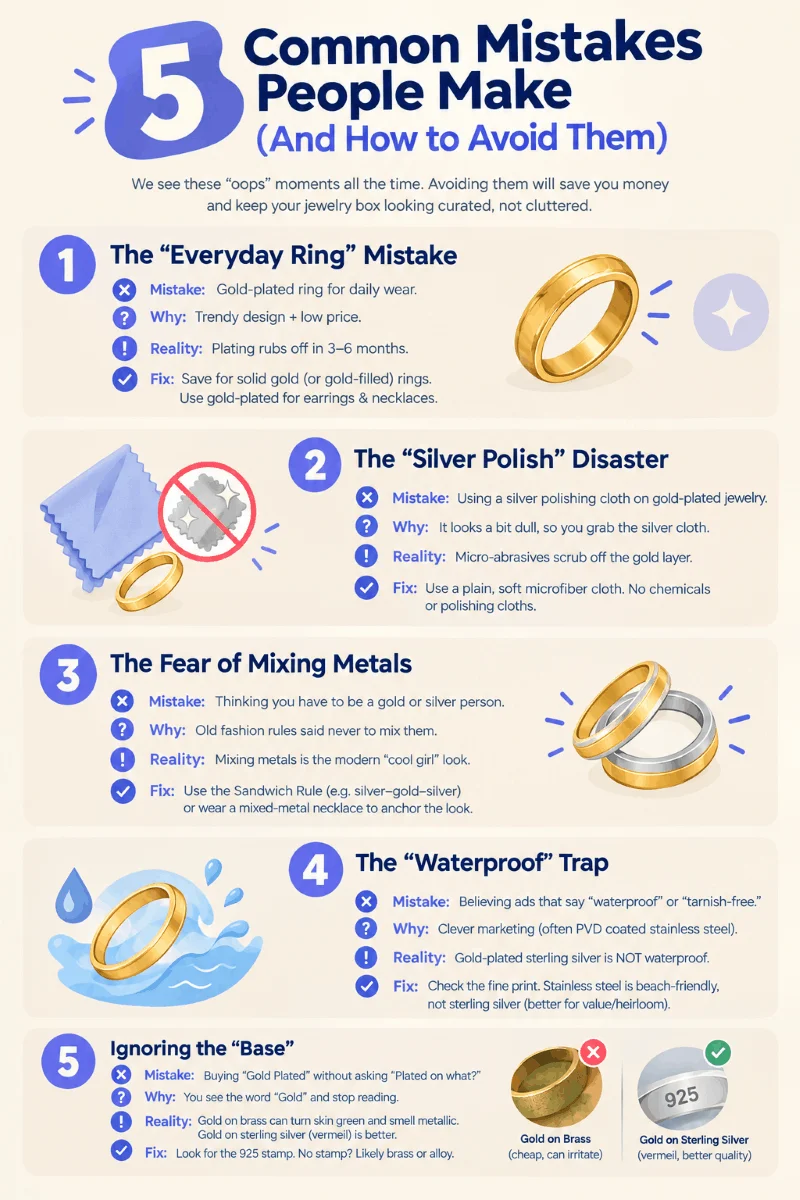
5 Common Mistakes People Make (And How to Avoid Them)
We see these “oops” moments all the time. Avoiding them will save you money and keep your jewelry box looking curated, not cluttered.
1. The “Everyday Ring” Mistake
- The Mistake: Buying a gold-plated ring for daily wear (washing hands, typing, gym).
- Why it happens: You fall in love with a trendy design and the low price tag.
- The Reality: Rings take more physical abuse than any other jewelry. Constant friction + hand soap = plating rubs off in 3–6 months.
- The Fix: Save your budget for solid gold (or gold-filled) rings. Use gold-plated for earrings and necklaces, which touch your skin less and last much longer.
2. The “Silver Polish” Disaster
- The Mistake: Using a silver polishing cloth on gold-plated jewelry.
- Why it happens: You see your gold-plated piece looking a little dull, so you grab the polishing cloth you use for your silver.
- The Reality: Silver polishing cloths contain micro-abrasives. Rubbing gold plating with them literally scrubs the gold layer off, revealing the base metal underneath instantly.
- The Fix: Only use a plain, soft microfiber cloth (like for glasses) on gold plated items. Never use chemicals or polishing cloths.
3. Fear of Mixing Metals
- The Mistake: Thinking you have to be a “Gold Person” OR a “Silver Person.”
- Why it happens: Old fashion rules said never to mix them.
- The Reality: Mixing metals is the modern “cool girl” aesthetic. Wearing all one color can sometimes look a bit “flat.”
- The Fix: The Sandwich Rule. If you want to mix, sandwich them. (Example: Silver ring, Gold ring, Silver ring). Or wear a necklace that has both metals to “anchor” the look, giving you permission to wear other mismatched pieces.
4. The “Waterproof” Trap
- The Mistake: Believing ads that say gold-plated jewelry is “waterproof” or “tarnish-free.”
- Why it happens: Clever marketing. (Often they are selling PVD coated stainless steel, which is durable, but not the same as gold plated silver).
- The Reality: Gold-plated Sterling Silver is NOT waterproof. Chlorine and salt water will eat the plating, and humidity will tarnish the silver underneath.
- The Fix: If you see “Waterproof Gold,” check the fine print. It’s likely Stainless Steel (good for beach) not Sterling Silver (good for value/heirloom). Know what you are buying!
5. Ignoring the “Base”
- The Mistake: Buying “Gold Plated” without asking “Plated on what?”
- Why it happens: You see the word “Gold” and stop reading.
- The Reality:
- Gold on Brass: Cheap, turns skin green, smells metallic.
- Gold on Sterling Silver (Vermeil): Valuable, hypoallergenic, good weight.
- The Fix: Always look for the 925 stamp. If it has no stamp, it’s likely brass or a cheap alloy.
FAQs
What is the main difference between gold-plated and sterling silver?
The core difference lies in their composition. Gold-plated jewelry consists of a thin layer of gold electroplated over a base metal like brass or copper. Sterling silver is a solid precious metal alloy made of 92.5% pure silver and 7.5% other metals (usually copper) to add strength.
Which one is better for everyday wear?
Sterling silver is generally better for daily use. Because it is a solid metal alloy, it won’t “peel” or wear away like plating does. While it can tarnish (turn dark) over time, it can easily be polished back to its original shine. Gold-plated items are better suited for occasional wear as the thin gold layer will eventually rub off with frequent friction.
Does gold-plated jewelry tarnish or fade?
Gold-plated jewelry is more prone to fading. As the thin gold layer wears down due to contact with water, sweat, and lotions, the base metal underneath becomes visible. Once this layer is gone, the piece cannot be easily fixed without professional re-plating. In contrast, sterling silver tarnishes (oxidizes), but this is a reversible process that can be fixed with a polishing cloth.
Is gold-plated or sterling silver better for sensitive skin?
Sterling silver is typically the safer choice for those with sensitive skin or metal allergies. It is generally hypoallergenic and nickel-free. Gold-plated jewelry can cause irritation once the gold layer wears thin, allowing the base metal (which may contain nickel or brass) to come into direct contact with your skin.