

Gold allergy is usually caused by metals mixed with gold, such as nickel, rather than pure gold itself. Common symptoms include itching, redness, swelling, and irritation where jewelry touches the skin. Choosing higher-karat, nickel-free gold and consulting a dermatologist can help reduce allergic reactions.
An allergic reaction to gold jewelry is often caused by alloy metals such as nickel rather than pure gold itself.
What is a gold allergy?
Gold contact dermatitis, also known as being allergic to gold, is an immune system response that occurs when the skin comes into contact with gold or its alloys. If you are planning to buy gold jewelry, a gold allergy may be one of your concerns. In this article, we will look at the symptoms, causes, diagnosis, and treatments of gold allergy.
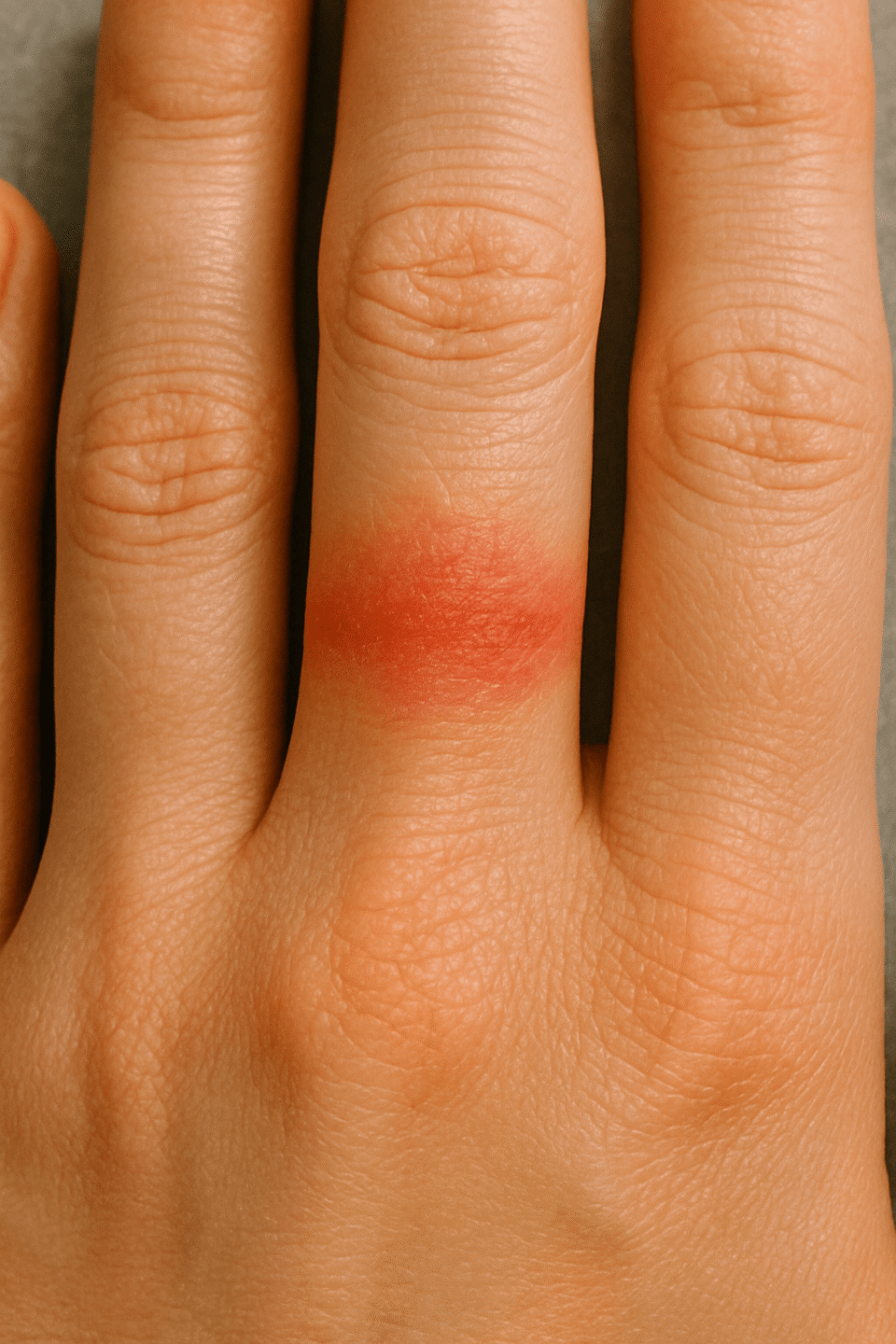
Why am I suddenly allergic to gold?
Many people ask, “Why am I suddenly allergic to gold?” even after wearing the same jewelry for years. A sudden reaction may happen because your immune system becomes sensitive to alloy metals used in jewelry, such as nickel or copper.
Changes in your skin, including moisture levels, pH balance, sweat, perfume, soap, or other irritants, can also make a reaction more likely. If symptoms continue, consult a dermatologist.
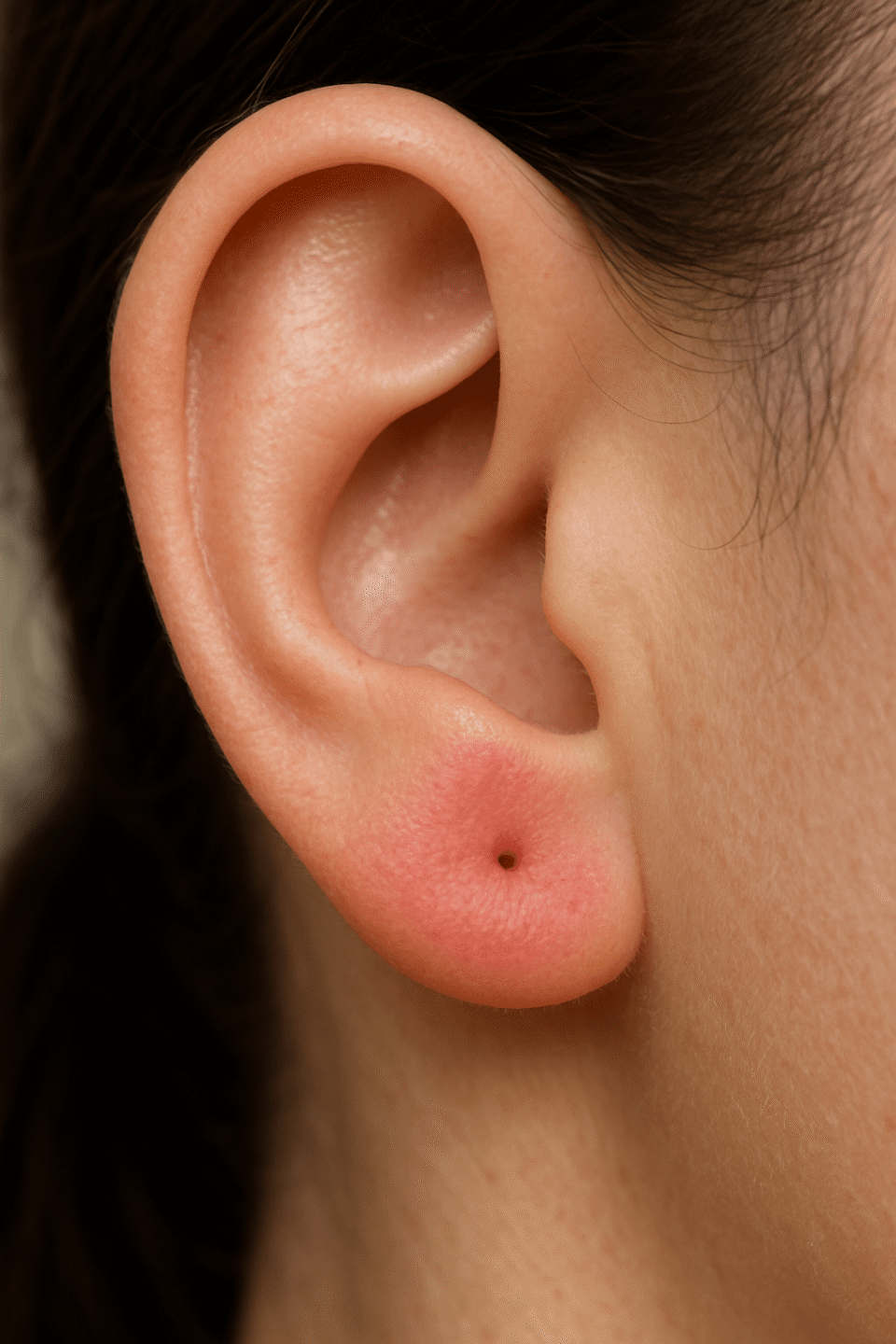
A new reaction is often caused by nickel or other metals mixed with gold, not pure gold itself.
Sweat, perfume, soap, and skin irritation can also make jewelry sensitivity worse. Choosing higher-quality gold, such as 14K or 18K nickel-free gold, may help reduce irritation.
People with sensitive skin often prefer solid gold jewelry, especially for items worn continuously such as earrings and rings.
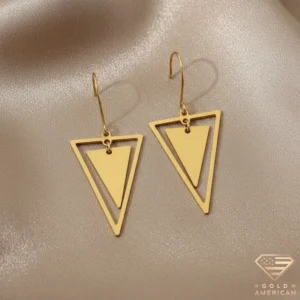
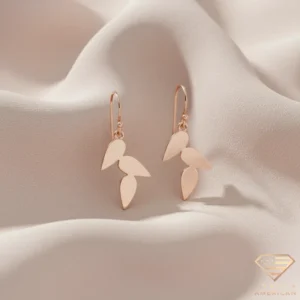
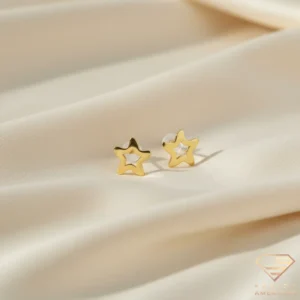
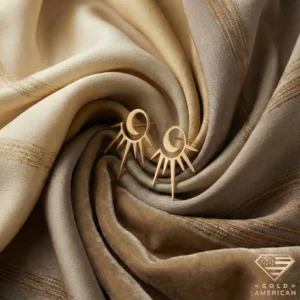
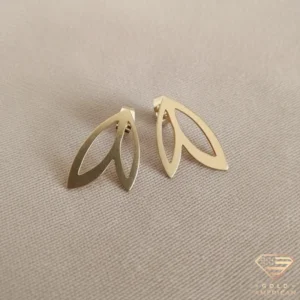
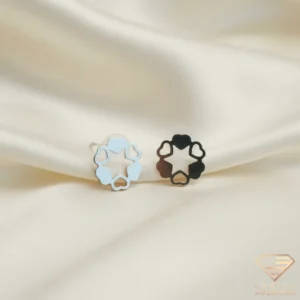
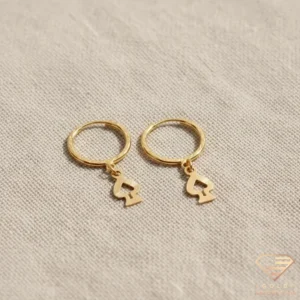
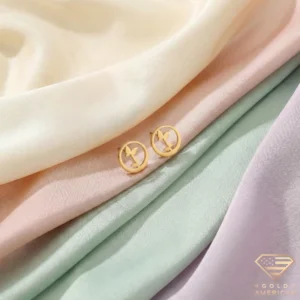
Find the Right Gold Earrings for Sensitive Skin
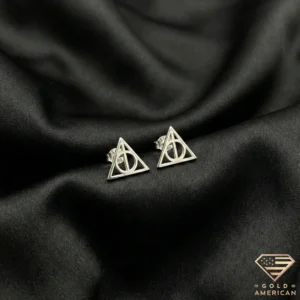
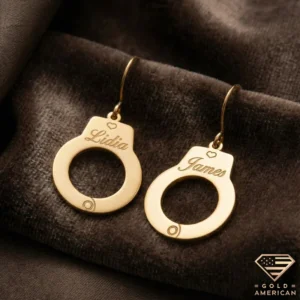
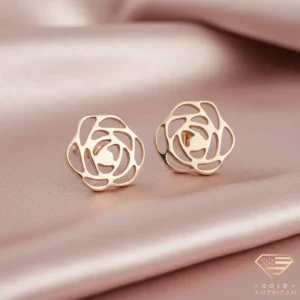
Choosing the right material can make a difference when wearing earrings regularly. Explore Gold American’s earrings collection and discover elegant gold designs made for everyday wear and special moments.

What are the symptoms of a gold allergy?
A gold allergy rash may appear as redness, itching, swelling, peeling, dark spots, or small blisters where the jewelry touches the skin.
Earrings are among the most common jewelry items associated with allergic reactions because they stay in direct and continuous contact with sensitive skin.
What are the causes of gold allergy?
Gold allergy is caused by direct contact with metals that trigger a skin reaction. The likelihood of irritation depends on the type of gold, purity level, and alloy metals used in the jewelry.
According to DermNet,
Gold allergy is diagnosed most frequently in women (90%). This is probably due to women typically wearing more gold jewellery and having more piercings than men.
What type of gold causes allergic reactions?
24k gold
Also known as 100% pure gold, 24K gold is the least likely to cause a gold allergy because it does not contain other metals. However, it is too soft for most everyday jewelry and is more expensive.
10K and 14K gold
10K and 14K gold contain higher amounts of alloy metals such as zinc, copper, or nickel. Nickel is one of the most common causes of metal allergies, so these gold types may have a higher chance of causing irritation compared with higher-karat gold.
Choosing the right gold karat is important for both comfort and durability. Learn more about the differences between 10K vs 14K gold and how these options compare in purity, strength, and everyday use.
Vermeil
Vermeil jewelry has a thick layer of gold, usually 14K or 22K, placed over silver. If the gold layer wears away, the metal underneath or any nickel content can cause skin reactions. Although vermeil is generally safer than gold-plated jewelry, it may not be as suitable as high-karat solid gold for sensitive skin.
Gold-plated
Gold-plated jewelry has a thin layer of gold over base metals such as brass or nickel. Because the outer gold layer can wear off and expose these metals, it has a higher chance of causing allergic reactions.
If you are unsure whether jewelry is made from real gold or only has a gold coating, learning about real gold vs fake gold can help you make a better purchase decision.
| Type of Gold | Typical Alloys | Allergy Risk |
| 24K gold | None | Low |
| 10K and 14K gold | Zinc, Copper, or Nickel | Medium |
| Vermeil | Silver or Nickel | Medium |
| Gold-plated | Brass or Nickel | High |
Before choosing gold jewelry, it is helpful to understand the difference between gold plated vs solid gold . Solid gold provides better durability, while gold-plated jewelry only contains a thin gold layer over another metal.
Is 14K Gold Hypoallergenic? 10K vs 14K vs 18K vs 24K
Higher chance of irritation
Suitable for budget jewelry
Good for daily wear
Better when nickel-free
Fewer alloy metals
Better for sensitive skin
Lowest allergy risk
Too soft for daily jewelry
14K gold offers a balance between durability and gold purity. However, sensitivity depends on the alloy metals used, especially nickel.
What color of gold causes allergic reactions?
Yellow gold
Yellow gold usually contains gold mixed with metals such as copper and silver. It generally has a lower allergy risk compared with some other gold colors. However, low-karat yellow gold may contain more alloy metals that can irritate sensitive skin.
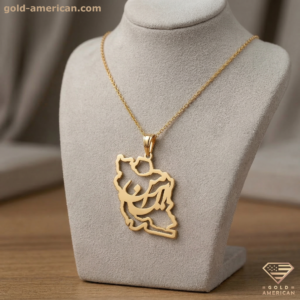
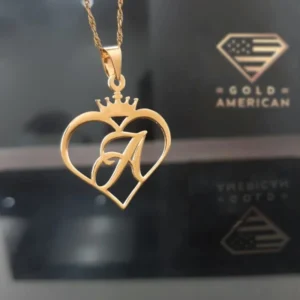
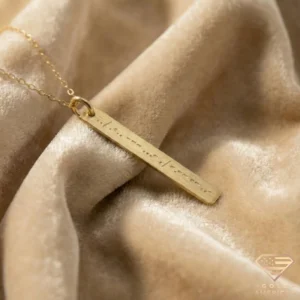
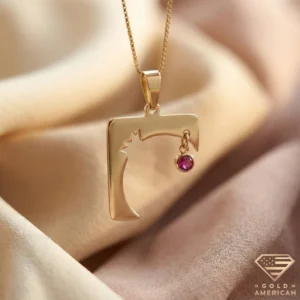
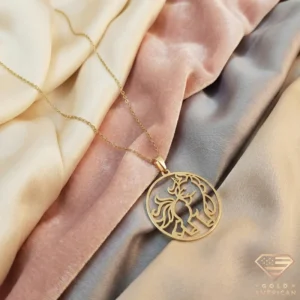
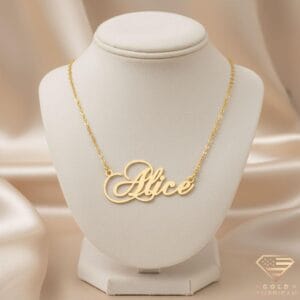
Known for its classic and timeless appearance, Yellow Gold jewelry remains one of the most popular choices for everyday wear and meaningful gifts.






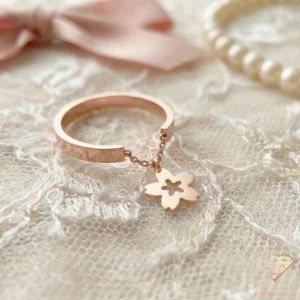
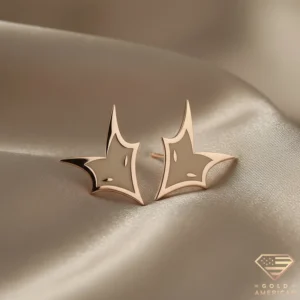
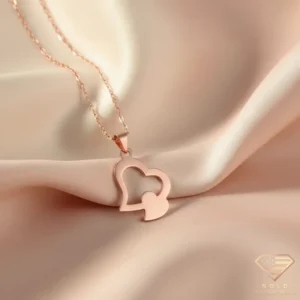
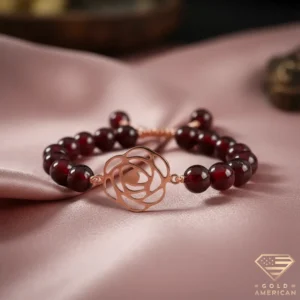
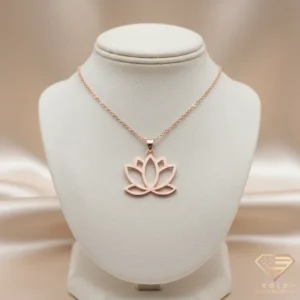
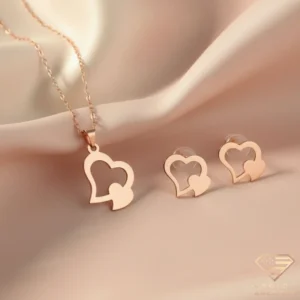
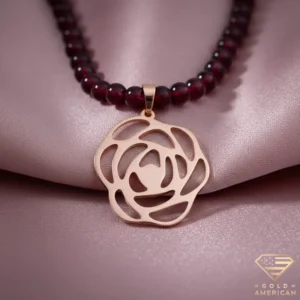
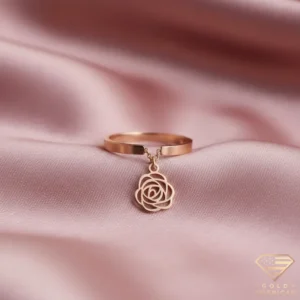
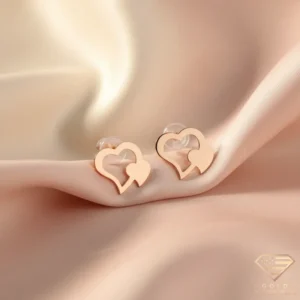
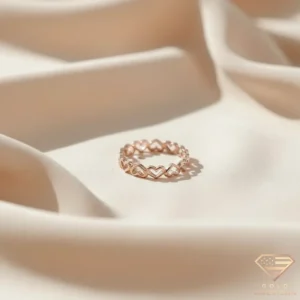
Rose gold
Rose gold contains copper, which gives it its warm pink color. Some people with metal sensitivity may react to copper, although the reaction depends on the alloy composition.
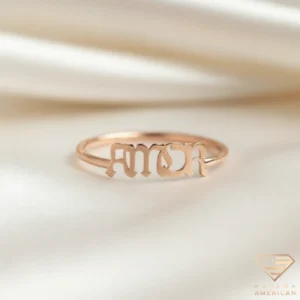
Loved for its warm and romantic tone, Rose Gold jewelry is a popular choice for personalized pieces and special occasions.


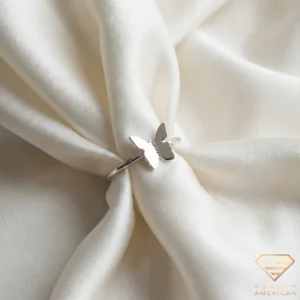
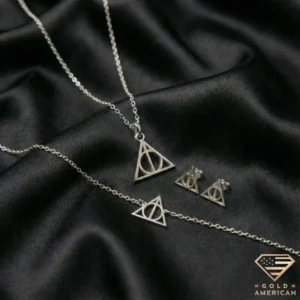
White gold
White gold is commonly mixed with metals such as nickel, palladium, or silver. Traditional white gold containing nickel may have a higher chance of causing allergic reactions for sensitive skin.
With its modern and elegant look, White Gold jewelry offers a beautiful alternative for those who prefer a bright, silver-like finish.
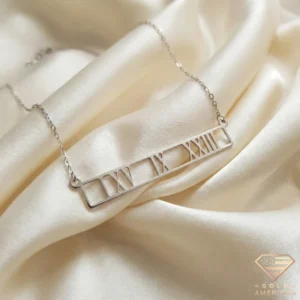
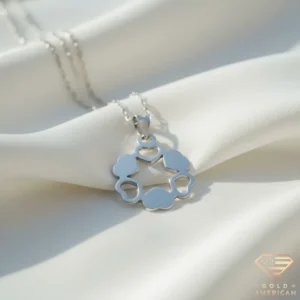

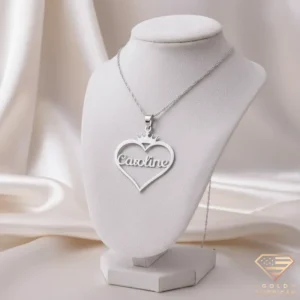
| Color of Gold | Typical Alloys | Allergy Risk |
| Yellow Gold | None, or small amounts of Zinc, Copper, or Nickel | Low |
| Rose Gold | Copper or Silver | Medium |
| White Gold | Silver, Palladium, or Nickel | High |
Rose Gold vs White Gold: Which Is Better for Sensitive Skin?
If you have sensitive skin, rose gold is often considered a better option than traditional white gold. Rose gold gets its pink color from copper, and while some people may be sensitive to copper, it usually does not contain nickel, which is one of the most common causes of metal allergies.
White gold, on the other hand, may contain nickel or other alloy metals to create its white appearance. Nickel is a common allergen that can cause itching, redness, and irritation in sensitive skin. Although many white gold jewelry pieces are coated with rhodium, this layer can wear down over time and expose the underlying alloy.
For people with sensitive skin:
- Better choices: Nickel-free rose gold or yellow gold
- Choose carefully: White gold, especially if it contains nickel
- Best option: Higher-karat solid gold with nickel-free alloys
If you prefer the appearance of white gold, look for nickel-free white gold or palladium-based white gold, which may be more suitable for allergy-prone skin.
How is gold allergy diagnosed?
Once you notice symptoms of a possible gold allergy, a dermatologist may recommend a patch test to identify the cause of the reaction. During this test, small amounts of common allergens, gold compounds, or alloy metals are applied to the skin and monitored for reactions over several days.
The most reliable test material for gold allergy is Gold Sodium Thiosulfate, which helps determine whether your skin reacts directly to gold or to other metals commonly mixed with gold jewelry.
If the test confirms an allergy, your doctor may recommend avoiding certain gold karats or alloys and choosing safer options.
- Visit a dermatologist or allergy specialist
- Request a patch test including Gold Sodium Thiosulfate
- Avoid self-testing with jewelry, because irritation can also be caused by detergents, lotions, sweat, or nickel rather than gold itself
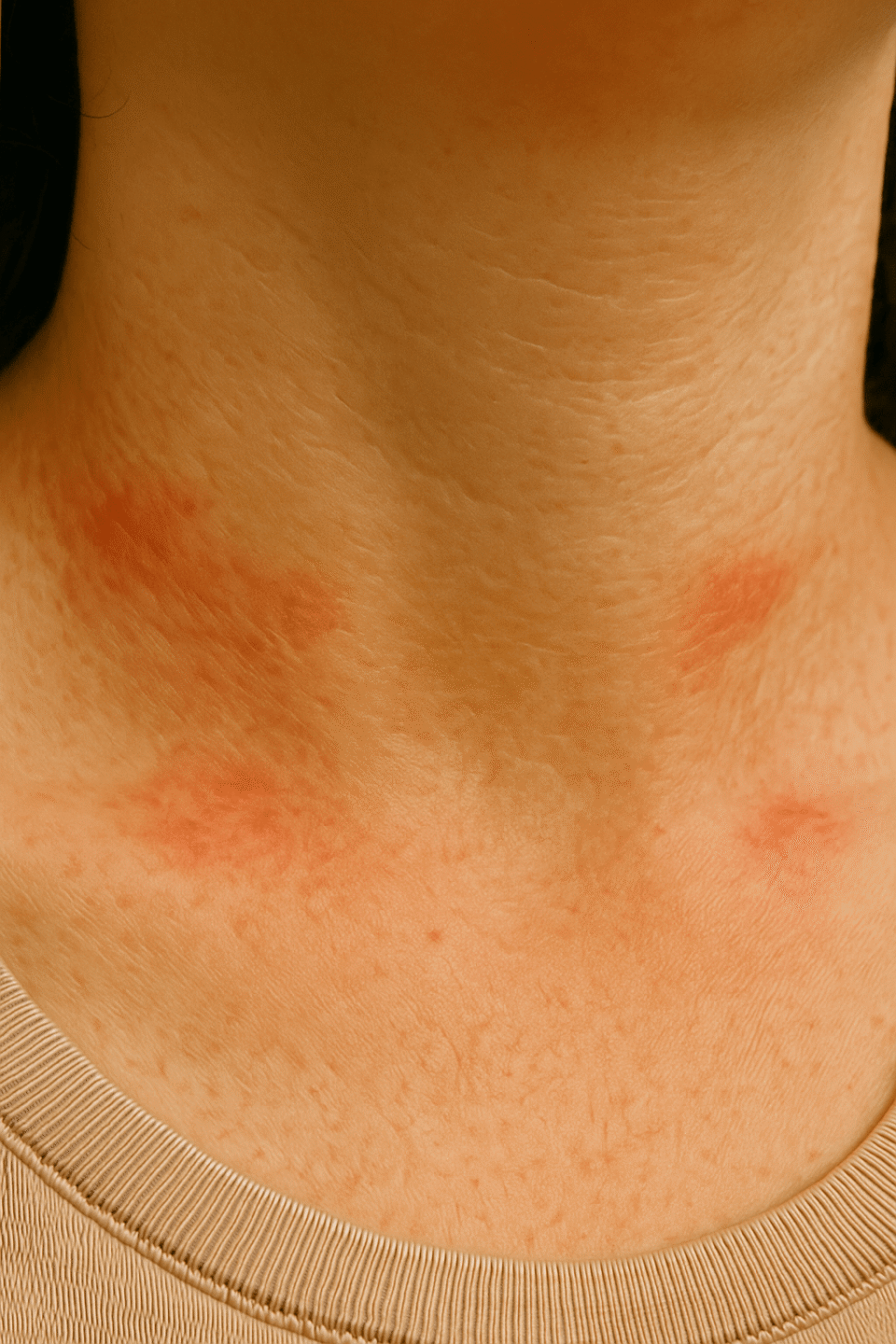
What are the treatments?
Treatment options for gold allergy may include topical treatments, skin soothing remedies, oral antihistamines, and sometimes rhodium plating for certain jewelry pieces.
For a personalized treatment plan, consult your doctor or dermatologist.
Is gold allergy permanent?
Gold allergy is a type IV hypersensitivity reaction. This means that once your immune system becomes sensitized to gold or certain alloy metals, symptoms may appear again whenever your skin comes into contact with the trigger.
Choosing higher-karat, nickel-free, and hypoallergenic jewelry can help reduce the chance of future reactions.
In conclusion, if you want to avoid allergic reactions to gold, it is important to choose the right karat and gold color. Higher-karat options such as 18K gold, nickel-free alloys, and solid gold jewelry are generally better choices for sensitive skin.
If you experience symptoms such as redness, itching, or irritation, avoid self-diagnosis and consider consulting a dermatologist.

Share your experience and tell us what type of gold caused the reaction.
FAQ
1- Can gold allergy cause permanent skin damage?
Gold allergy usually does not cause permanent skin damage, but repeated exposure can keep causing irritation, redness, or inflammation. Avoiding the triggering metal and following a dermatologist’s advice can help manage symptoms.
2- Can I wear gold jewelry if I have a gold allergy?
Yes, many people with gold allergy can still wear certain types of gold jewelry. Choosing higher-karat, solid gold or nickel-free gold pieces may reduce the chance of reactions.
3- Why do my ears itch after wearing gold earrings?
Itchy ears after wearing gold earrings can be caused by an allergic reaction to alloy metals, especially nickel, or by irritation from sweat, cosmetics, soaps, or moisture trapped around the piercing.
4- Is white gold worse for allergies than yellow gold?
White gold can have a higher allergy risk because some types contain nickel. Yellow gold or rose gold may be better options for sensitive skin, especially when they are nickel-free.
5- Can gold allergy spread to other parts of the body?
Gold allergy reactions usually appear where the jewelry touches the skin. However, sensitive individuals may experience irritation in multiple areas if they wear different pieces containing the same allergenic metal.
6- How long does a gold allergy reaction last?
A gold allergy reaction can last from a few days to several weeks depending on the severity of the irritation and whether exposure to the triggering metal continues. Removing the jewelry and avoiding the allergen can help the skin recover faster.