
White Gold Plated vs Sterling Silver: Which Is Better?
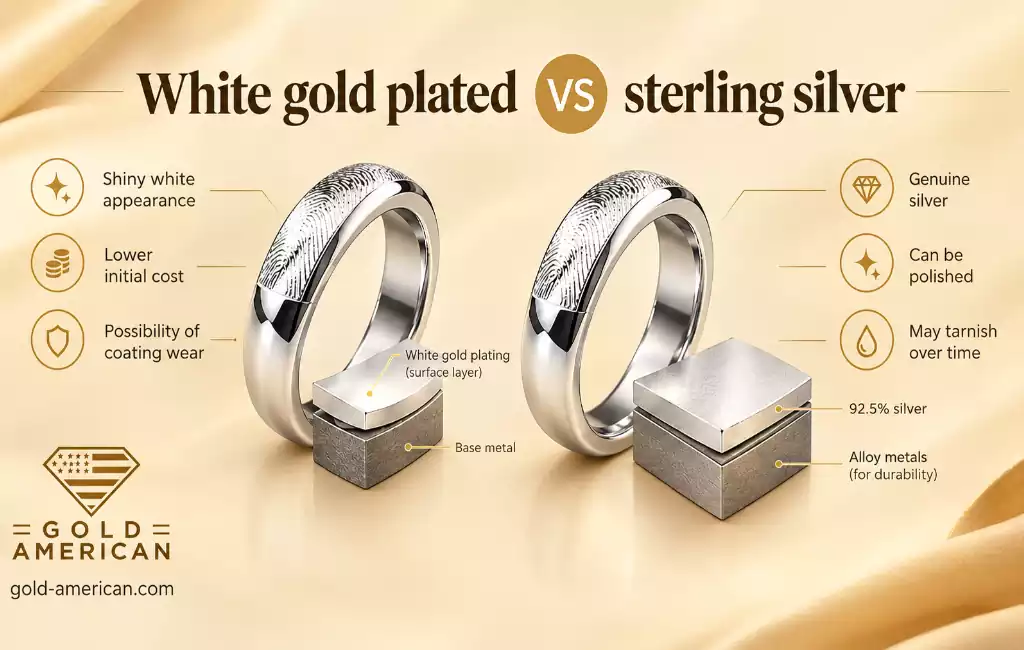
White gold plated jewelry is usually more affordable upfront and offers a white gold-like appearance, but its coating can wear away over time. Sterling silver jewelry contains 92.5% silver, has intrinsic metal value, and can be cleaned and polished when tarnished.
Key difference: Choose white gold plated jewelry for a lower initial cost, or sterling silver if you value precious-metal content and the ability to polish the metal. Both require proper care, and their durability depends on quality and everyday use.
If you want a lower upfront price and a white gold look, white gold plated jewelry can be a sensible choice. If you want a metal with its own intrinsic value, that can be polished and worn long term, sterling silver jewelry is usually the safer pick. In both cases, durability depends on build quality, how you wear it and how you look after it.
One distinction matters from the start: white gold plated is not the same as solid white gold. In plated pieces, a thin layer sits on top of a base metal, so what’s underneath affects both quality and lifespan.
| Criteria | White Gold Plated | Sterling Silver |
| Material | A thin layer of white-gold-look metal over a base metal | An alloy of 92.5% silver, usually with 7.5% other metals |
| Look | White and shiny, depending on the plating | Silvery white with a natural glow |
| Upfront price | Usually lower | Usually higher than similar plated pieces |
| Durability | Depends on plating thickness, base metal and wear | Can last for years with proper care |
| Scratches | The coating can scratch or wear away | The metal itself can scratch or dent |
| Color change | Plating can wear thin, exposing the base metal | Can darken through reaction with the environment |
| Skin sensitivity | Depends on the base metal and plating | Depends on the alloy’s other metals |
| Care | Protect the surface layer | Clean regularly and prevent tarnish |
| Metal value | Mostly the base metal, not the thin plating | Real value from the silver content |
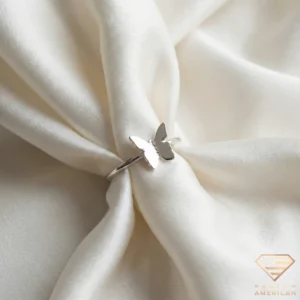
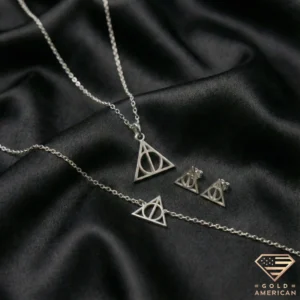
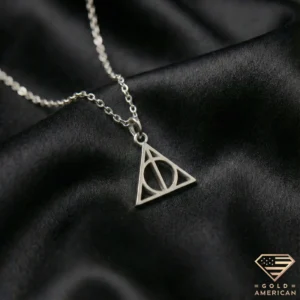
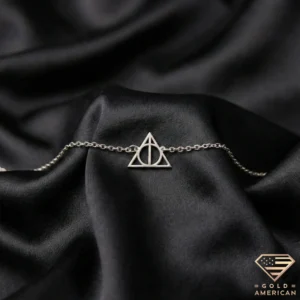
Discover Our Silver Jewelry Collection
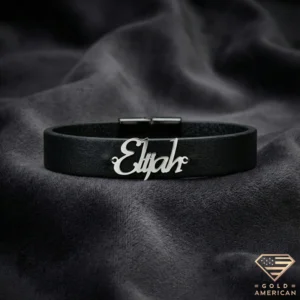
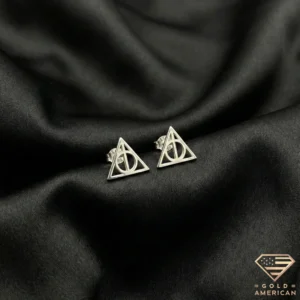
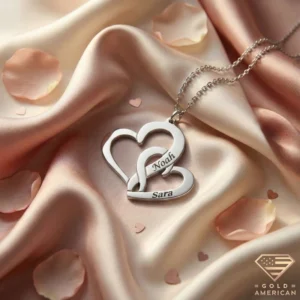
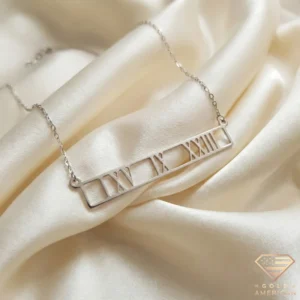
Looking for timeless elegance with a modern touch? Explore our silver jewelry collection and find beautiful pieces to complement your everyday style or make a meaningful gift.

White Gold Plated vs Sterling Silver Quality
The main difference is structural. With white gold plated jewelry, a surface layer with a white gold appearance sits on a base metal. That base could be steel, copper, brass or something else, so the phrase “white gold plated” alone doesn’t tell you what’s inside.
Sterling silver jewelry is made from an alloy that is 92.5% silver, with copper typically making up the remaining 7.5%. That mix gives pure silver the strength it needs to hold up as jewelry. The Gemological Institute of America (GIA) describes it this way in its white metal guide:
“Sterling is an alloy with 925 parts silver”
White Gold Plated vs Sterling Silver Price
White Gold Plated Jewelry
Usually more affordable upfront
White gold plated jewelry generally costs less because it has a thin surface coating over a base metal, such as brass or another alloy.
What affects the price? Base metal, plating quality, design, and brand. Replating or replacement may add costs over time.
Sterling Silver Jewelry
May cost more than plated pieces
Sterling silver contains 92.5% silver, giving it intrinsic precious-metal value. Its price depends on weight, craftsmanship, design, and gemstones.
Long-term consideration: Silver can often be cleaned and polished to restore its appearance when tarnished.
Which offers better value? When comparing white gold plated vs sterling silver price, consider both the initial cost and future maintenance. Your best choice depends on your budget, how often you wear the jewelry, and how you care for it.
How plated, solid and rhodium-plated white gold differ
- White gold plated: Has a surface layer, and its value depends largely on the base metal.
- Solid white gold: An alloy of gold and other metals throughout the piece, usually marked by karat, such as 14K or 18K.
- Rhodium-plated white gold: Real white gold with a rhodium coating, used for a whiter look and extra shine.
This matters when comparing price and quality, because a piece that looks like white gold isn’t necessarily made of real gold. (Source)
White Gold Plated vs Sterling Silver Durability
| Criteria | White Gold Plated | Sterling Silver |
| Durability | Depends on plating quality, thickness and base metal | Can last for years with proper care |
| Scratch resistance | The coating can be scratched or rubbed away by friction | Not scratch-proof; can scratch or bend on impact |
| Fixing damage | Worn plating may need to be replated | Light scratches can sometimes be polished out |
| Lasting appearance | The base metal’s color may show as plating wears | May dull or darken, but can usually be cleaned and polished |
| Daily wear | Depends on plating quality and friction | A practical option with proper care |
So which lasts longer? It depends on the specific piece and how well it’s made. With plated jewelry, though, wearing away of the coating is an extra factor to weigh.
If you’d like a broader comparison of plated jewelry and sterling silver, read our guide to gold plated vs sterling silver to learn more about their differences in price, durability, tarnishing, and care.
Does white gold plating wear off?
Over time, yes, it can. Friction from clothing, hand washing, sweat and everyday contact gradually thins the coating. A thicker layer and a quality base metal slow that down, but they don’t stop it entirely. Once the plating wears through, the base metal’s color starts to show, and replating may be needed.
White Gold Plated vs Sterling Silver Price
White gold plated jewelry usually costs less upfront. The surface layer is thin and the base metal may be inexpensive, which makes it appealing if you want a white metal look on a modest budget. Sterling silver carries real metal value because of its silver content. Its final price isn’t just about weight, though. Design, brand, labor and decorative stones all play a part.
In a White Gold Plated vs Silver comparison, remember that a lower price doesn’t always mean better value over time. If the plating wears quickly and needs replating or replacement, the real cost of owning it goes up.
White Gold Plated vs Sterling Silver Tarnish
The two materials lose their original look for different reasons:
- White gold plated: The coating can thin or disappear over time, exposing the base metal and changing the piece’s color. This isn’t the same as ordinary silver tarnish.
- Sterling silver: It can darken when it reacts with sulfur compounds in the environment. Proper cleaning usually reduces this, and tarnish doesn’t necessarily mean poor quality.
When comparing tarnish, then, silver may darken, but plated pieces risk losing their coating altogether. A simple cleaning can often remove silver tarnish. Worn plating, on the other hand, may need to be redone.
White Gold Plated vs Sterling Silver Allergy
Neither label guarantees that a piece is allergy-friendly.
- White gold plated: The base metal and plating compounds both matter. If the coating is damaged, your skin may come into more contact with the metal underneath.
- Sterling silver: Any reaction depends on the other metals mixed into the 92.5% silver.
- If your skin is sensitive: Ask the seller about the base metal, the alloy composition and the type of plating. If you know you react to a particular metal, don’t rely on the color or product name alone.
For sensitive skin, exact material details matter more than the product’s marketing name.
If you experience itching, redness, or irritation when wearing jewelry, read our gold allergy guide to learn about common symptoms of a gold allergy and how to identify potential triggers.
White Gold Plated vs Sterling Silver Rings and Necklaces
Friction and exposure aren’t the same for every type of jewelry, so the choice can change depending on the piece.
- Rings: With constant contact, hand washing and rubbing against surfaces, plating on a ring may get damaged sooner. If you’ll wear it daily, check the build quality and whether it can be repaired. This is the area where White Gold Plated vs Sterling Silver Rings differ most.
- Necklaces: In the White Gold Plated vs Sterling Silver Necklaces comparison, necklaces generally see less friction than rings. Perfume, sweat and cosmetics can still affect their appearance.
- Gifts: On a limited budget, a plated piece can be an attractive choice. For someone who values metal content and long-term keeping, sterling silver is worth considering.
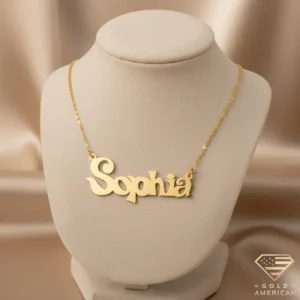
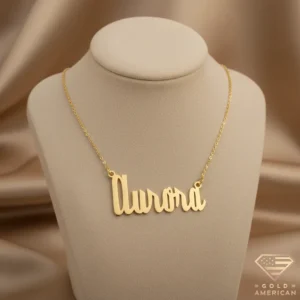
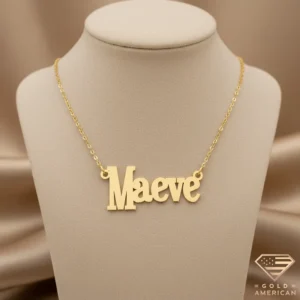
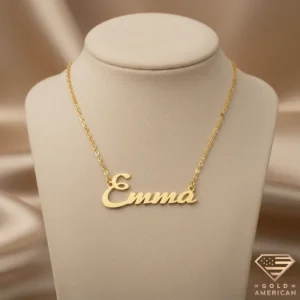
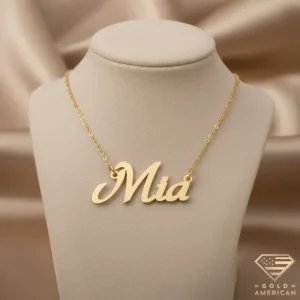
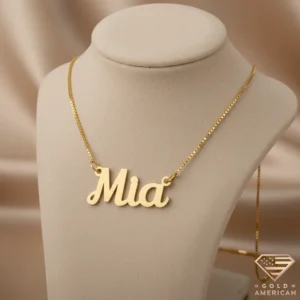
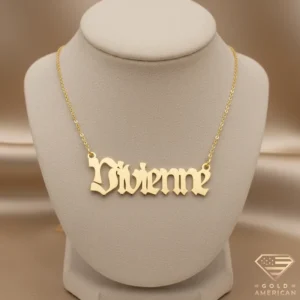
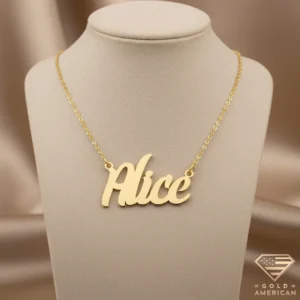
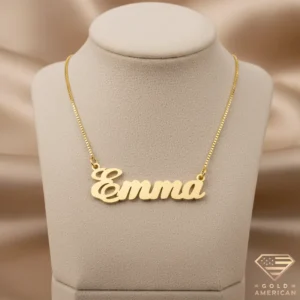
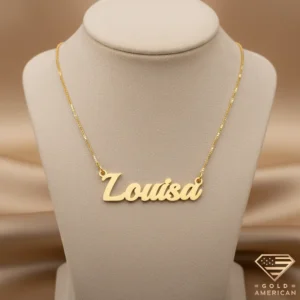
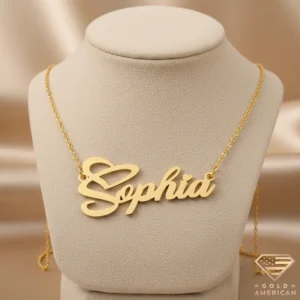
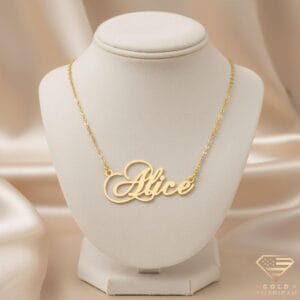
If you prefer personalized jewelry, explore our gold name necklaces for a timeless piece featuring a name or word that holds special meaning.
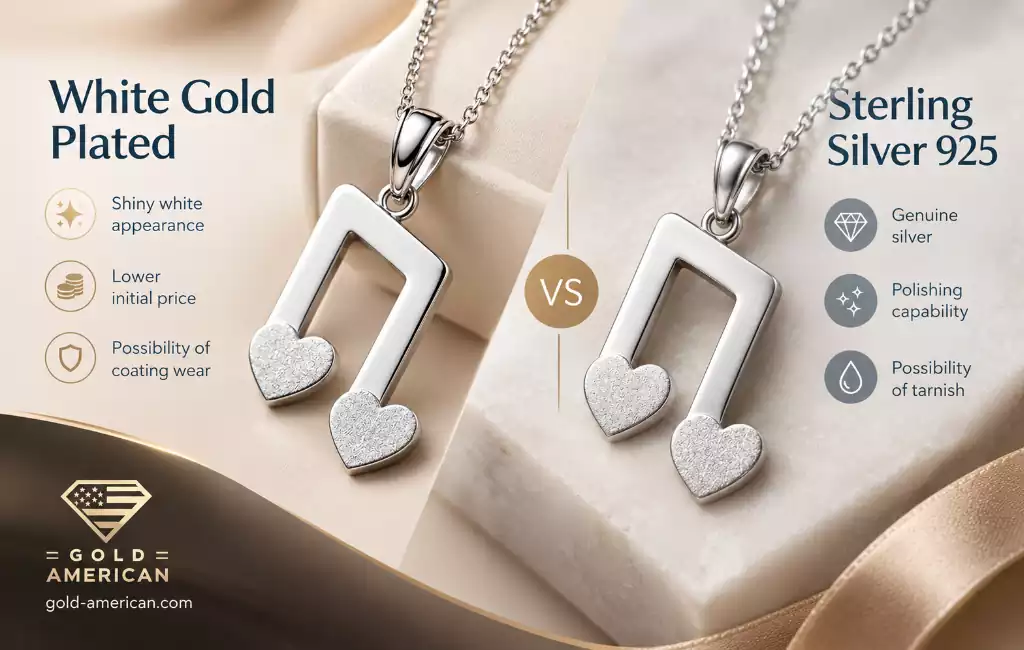
White Gold Plated vs Sterling Silver: Pros and Cons
White Gold Plated Jewelry
✓ Pros
- Lower upfront price
- Bright, white gold-like appearance
- Suitable for budget-friendly styles
✕ Cons
- Plating can wear off over time
- Quality depends on the base metal
- Replating may add future costs
Sterling Silver Jewelry
✓ Pros
- Contains 92.5% silver
- Can be cleaned and polished
- Suitable for long-term use with proper care
✕ Cons
- Usually costs more upfront
- Can tarnish over time
- Can scratch, bend or dent
Which should you choose? White gold plated jewelry is a budget-friendly option for a white-metal look, while sterling silver offers actual silver content and can be polished when tarnished. Your best choice depends on your budget, wearing habits and maintenance preferences.
FAQ
Is white gold plated better than sterling silver?
Not across the board. It’s better suited to people who put appearance and a lower starting price first, as long as they accept that the coating may need attention down the line.
Is sterling silver better than white gold plated?
For people who care about real metal content, polishability and long-term use, often yes. It does need cleaning and tarnish prevention, though. In the end, the right choice depends on your budget, how you’ll wear the piece and how much upkeep you’re willing to do.
Does sterling silver look like white gold?
Sterling silver and white gold can look similar because both have a silvery-white appearance. However, their composition differs. Sterling silver contains 92.5% silver, while solid white gold is an alloy containing gold and other metals. White gold plated jewelry only has a surface coating that creates a white gold-like appearance.
Can you wear white gold plated jewelry every day?
Yes, you can wear white gold plated jewelry daily, but frequent friction, sweat, moisture and contact with cosmetics can cause the coating to wear down faster. Removing it before showering, swimming or exercising can help preserve its appearance.
Does sterling silver turn black?
Sterling silver can darken or develop tarnish when exposed to sulfur compounds and other environmental factors. This is a normal reaction and does not necessarily indicate poor quality. Regular cleaning with a suitable silver polishing cloth can help restore its shine.
Can white gold plated jewelry be replated?
Yes, many white gold plated pieces can be replated, depending on their base metal and construction. However, the cost and feasibility depend on the item. Before buying, check whether professional replating is available and whether the additional expense makes sense.
Which is better for everyday rings: white gold plated or sterling silver?
Sterling silver can be a practical choice for everyday rings because the metal itself can be polished, whereas plating can wear away with repeated friction. However, sterling silver can still scratch or bend, so the ring’s design, thickness and construction also matter.
How to Care for Your Jewelry
A few simple habits help either type last longer:
- Let perfume, lotion and hairspray dry on your skin before putting jewelry on.
- Take it off for swimming, workouts and cleaning with detergents.
- Wipe plated pieces with a soft cloth and avoid scrubbing hard.
- Store sterling silver somewhere dry, ideally in an anti-tarnish pouch or cloth.
- Avoid harsh cleaners and rough polishing, especially on plated surfaces.
GIA also recommends storing jewelry in a suitable case and using an anti-tarnish cloth or bag for silver.
Final Thoughts
White gold plated jewelry suits people who want an elegant look and a lower starting price. Sterling silver jewelry suits those who value actual metal content, polishing and long-term use. Before you buy, check the base metal, build quality and care requirements so the piece fits your budget and the way you’ll actually wear it.