
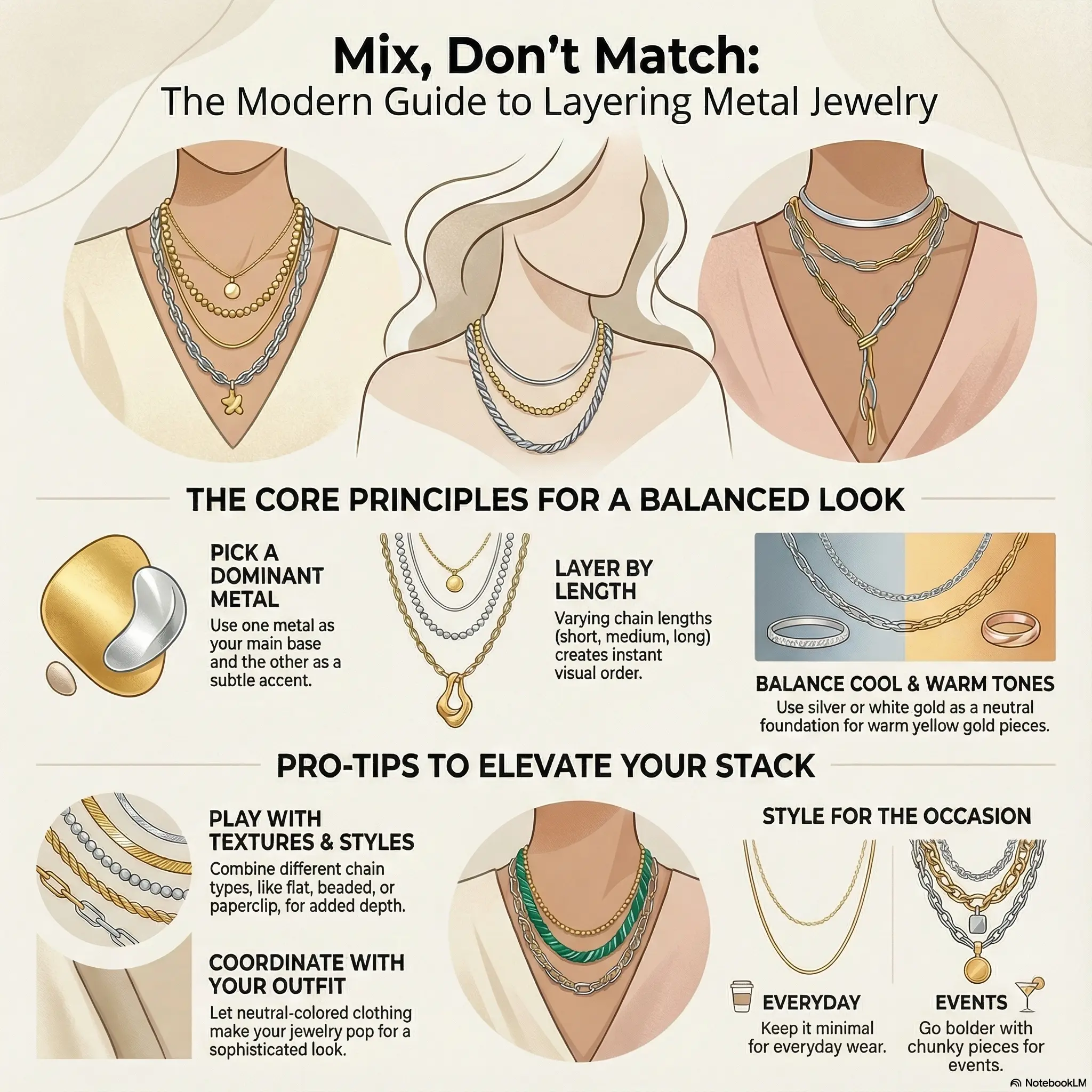
Balanced Mixed Metal Stack
- Choose one dominant metal as your base
- Add a second metal as an accent
- Repeat each metal to create a cohesive look
- Mix different chain lengths and textures
- Keep one focal piece to avoid visual clutter
- Create a personal style that feels intentional
Common Mistakes to Avoid
- Mixing too many metal colors at once
- Using chains with the same length and thickness
- Adding multiple statement pieces together
- Ignoring the balance between jewelry and outfit
- Mixing styles that do not match
- Creating a look that feels random instead of curated
Mixing gold, silver, and white gold isn’t “breaking rules” anymore it’s the easiest way to make your jewelry look intentional and personal. Here’s a simple stacking formula you can use at home, plus the mistakes that make mixed metals look messy.
The old fashion rule that said you should never mix metals is officially outdated. Today, modern jewelry lovers are confidently stacking yellow gold, silver, rose gold, and white gold in one look. Instead of feeling mismatched, mixed metal stacking creates a curated, lived-in, personal aesthetic that feels fresh and effortless.
Below is your complete guide to creating chic mixed-metal layers without looking messy.
Create Your Perfect Necklace Stack
Ready to create your own mixed metal necklace stack? Explore our personalized gold necklaces and discover pieces with different lengths, textures, and styles to build a layered look that feels personal and effortless.
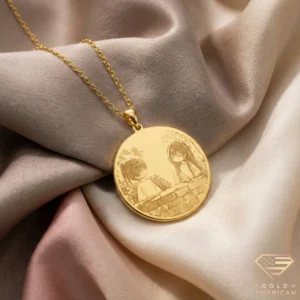
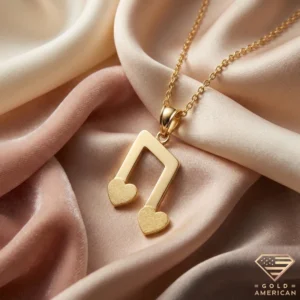

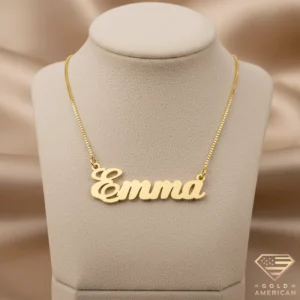
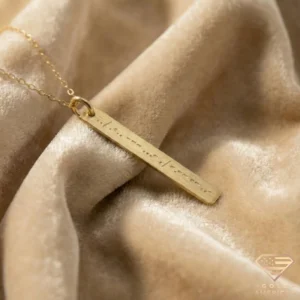
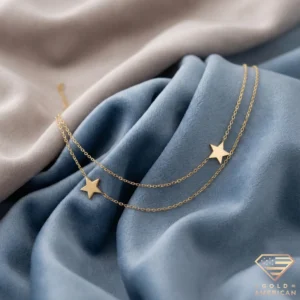
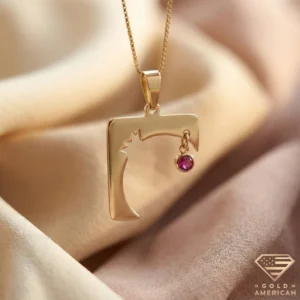
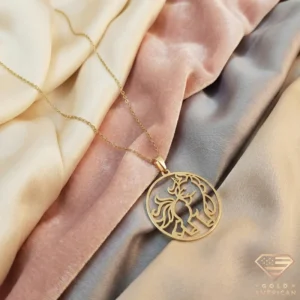
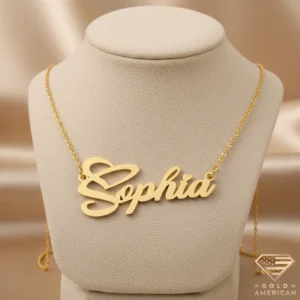
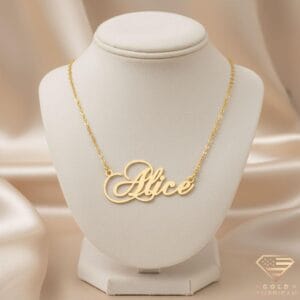
Mixed metal stacks feel modern because they feel real. Most of us don’t live in one metal. We’ve collected pieces over time: a silver ring from a trip, a gold chain you never take off, a white gold band that goes with everything.
How to match metals when layering necklaces and bracelets
When layering necklaces and bracelets, match metals by choosing one main color first: yellow gold, white gold, rose gold, or silver. This keeps your look clean and intentional.
For an easy style, wear the same metal in all pieces. For a modern look, mix metals, but repeat each color at least once. For example, pair a yellow gold necklace with a yellow gold bracelet, then add one silver or white gold piece.
Avoid mixing too many different finishes at once. Keep the balance simple so the jewelry looks stylish, not random.
| Styling Method | Best Choice | How to Wear It | Why It Works |
|---|---|---|---|
| Same Metal Look | Yellow gold with yellow gold, silver with silver, etc. | Match your necklaces and bracelets in one metal color. | Creates a clean, classic, and polished style. |
| Mixed Metal Look | Yellow gold + white gold, silver + rose gold, etc. | Repeat each metal at least once in your necklaces or bracelets. | Makes the mix look intentional instead of random. |
| Main Metal Rule | Choose one dominant metal first. | Let one metal color appear more than the others. | Keeps the outfit balanced and easy to style. |
| Pendant & Bracelet Match | Match your pendant color with one bracelet. | Wear a gold pendant with a gold bracelet, or silver pendant with a silver bracelet. | Connects the top and wrist jewelry naturally. |
| Simple Finish Balance | Polished with polished, matte with matte. | Avoid mixing too many textures at once. | Prevents the layered look from feeling too busy. |
| Everyday Style | 14K gold, sterling silver, or vermeil. | Choose durable metals that fit your daily outfits. | Gives a stylish layered look without overcomplicating it. |
| Mistake to Avoid | Too many metal colors at once. | Do not mix yellow gold, rose gold, silver, and black metals all together. | Too many tones can make the jewelry look mismatched. |
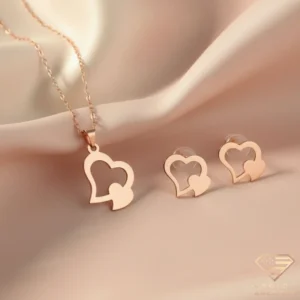
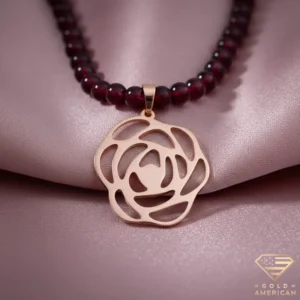
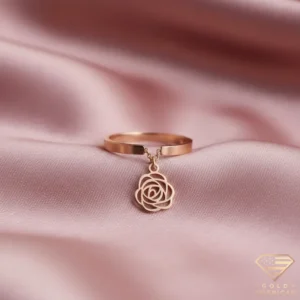
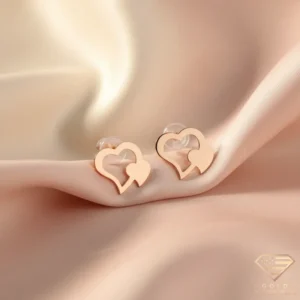
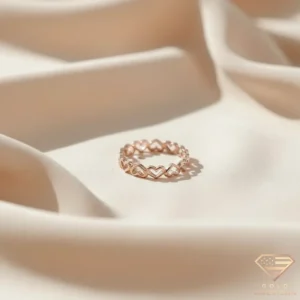
Add a Warm Touch With Rose Gold
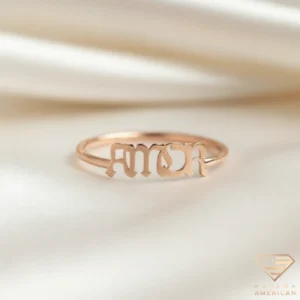
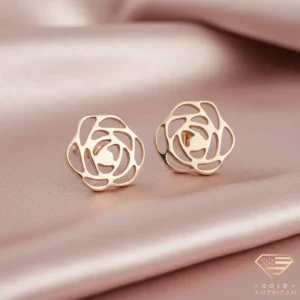
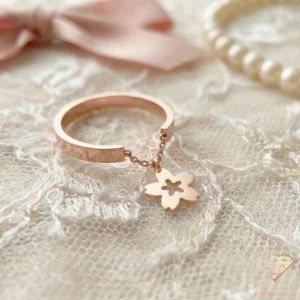
Want to add a softer tone to your mixed metal stack? Explore our rose gold jewelry and discover elegant pieces that blend beautifully with yellow gold, silver, and white gold for a unique layered look.

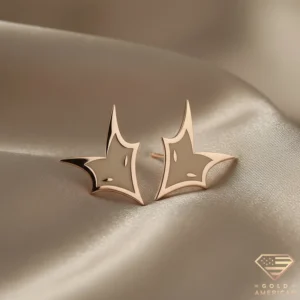
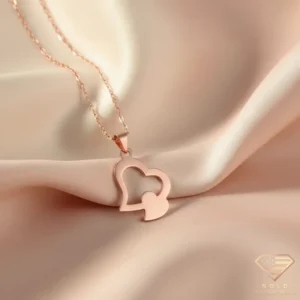
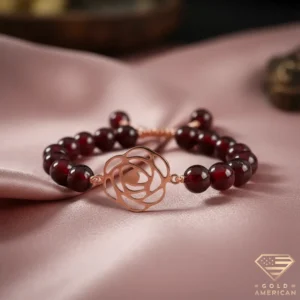
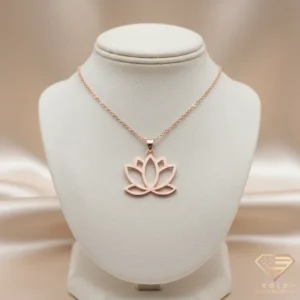

How to Match Chain Metal with Pendant Color and Style – Jewelry Tips
Choosing the right chain metal can enhance your pendant’s color, shape, and overall style.
Match gold pendants with warm-toned chains, silver or white gold with cooler designs, and rose gold for soft, romantic looks.
For a balanced jewelry look, consider pendant size, outfit style, skin tone, and the occasion before choosing your chain.
How Do I Match a Chain Metal With a Pendant Color?
Best Match: Choose a chain metal that complements the pendant’s tone. Yellow gold works well with warm colors, silver and white gold suit cool tones, and rose gold pairs beautifully with soft, romantic colors.
Avoid: Mixing metals without balance can make the jewelry look mismatched.
Styling Tip: If mixing metals, create a design connection, such as a two-tone pendant or repeating the same metal in another jewelry piece.
Should the Chain and Pendant Be the Same Metal?
Best Match: Matching the chain and pendant metal creates a clean and elegant look.
Avoid: Combining different metals randomly can make the design feel less balanced.
Styling Tip: Mixed metals can look stylish when the same tones are repeated throughout your jewelry or outfit.
How Do I Choose the Right Chain Style for a Pendant?
Best Match: Simple pendants pair well with classic chains like cable, box, or curb chains.
Avoid: A detailed chain with a bold pendant can make both pieces compete for attention.
Styling Tip: Let one piece stand out. Choose a simple chain for statement pendants and a textured chain for simpler designs.
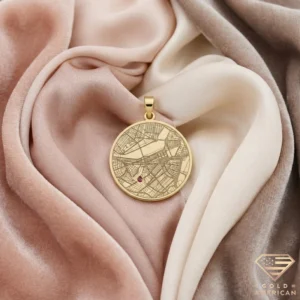
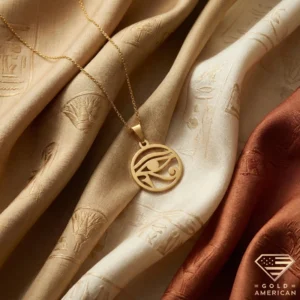
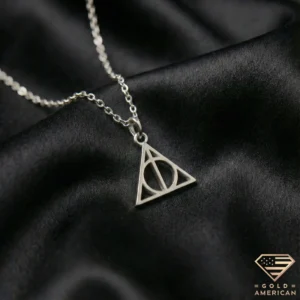
Find the Perfect Pendant for Your Necklace Stack
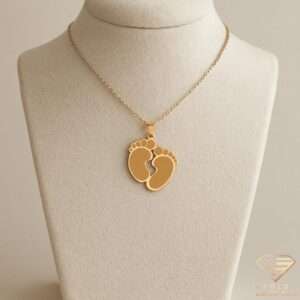
Looking for a meaningful piece to complete your layered look? Explore our pendant collection and discover personalized designs, initials, symbols, and unique styles that add a personal touch to any necklace.
How Thick Should the Chain Be for My Pendant?
Best Match: Small pendants look best with delicate chains, while larger pendants need stronger and thicker chains for support.
Avoid: A chain that is too thin may look unbalanced or may not safely support a heavier pendant.
Styling Tip: Consider pendant weight, chain thickness, and comfort when choosing the right combination.
How Do I Avoid Style Mistakes When Pairing Chains and Pendants?
Best Match: Focus on balance between metal tone, pendant size, chain thickness, and your overall outfit.
Avoid: Ignoring proportions or mixing pieces that compete with each other.
Styling Tip: Check the complete look and make sure your pendant, chain, and other jewelry work together naturally.
Add a Sleek Touch With White Gold
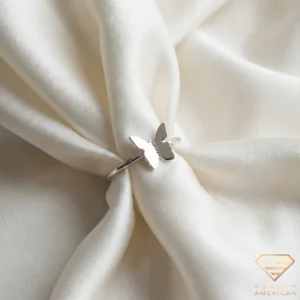
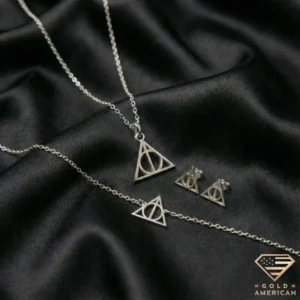
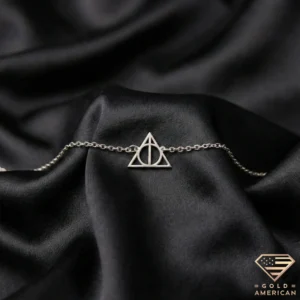
Looking for a refined addition to your mixed metal stack? Explore our white gold jewelry and discover elegant pieces that pair beautifully with yellow gold, rose gold, and silver for a clean and modern layered look.
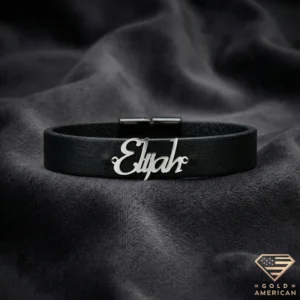
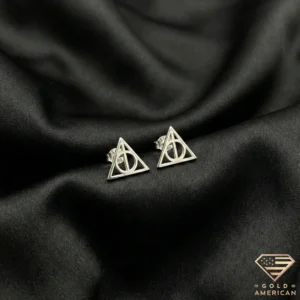
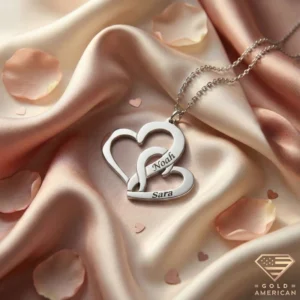
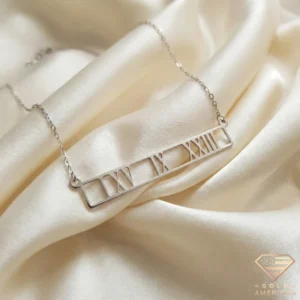
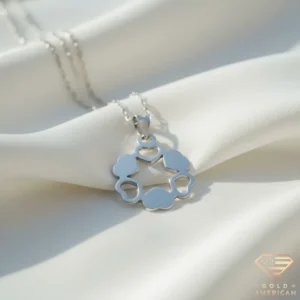
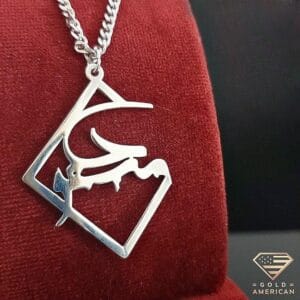
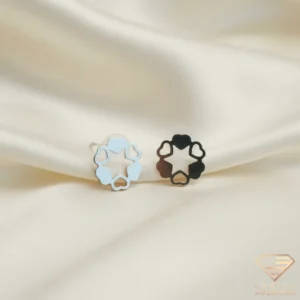
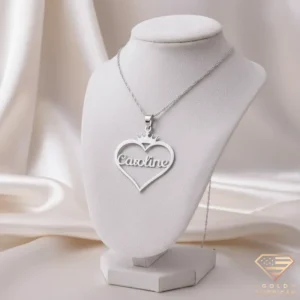
The easiest formula: Anchor + Echo + Balance
If you want one simple system that works almost every time, use this:
1) Anchor (your main piece)
Choose one piece that you want to be the star:
- A custom ring you ordered for yourself (or someone special)
- A name necklace you wear daily
- A watch or bracelet that already defines your style
Your anchor decides the vibe: clean, chunky, delicate, vintage, edgy.
2) Echo (repeat the anchor’s metal)
Now repeat your anchor metal at least once more. This is what makes the mix look planned.
Example:
- Anchor is yellow gold ring → add a thin yellow gold band or a yellow gold necklace clasp that shows.
- Anchor is silver chain → add silver hoops or a silver stacking ring.
3) Balance (introduce the third metal)
Bring in the third metal as an accent. Think “detail,” not “competition.”
A classic trio:
- Yellow gold + silver + white gold
but you can also do: - Yellow gold + white gold (cool-toned mix)
- Yellow gold + silver (high contrast, very current)
How to mix metals and textures when stacking men’s bracelets
Mix men’s bracelets by combining different metals like gold, silver, and black tones for a balanced look.
Add texture with leather, beads, chains, or woven bracelets to create depth and style.
Keep one main bracelet as the focal point and layer simpler pieces around it.
Choose men’s bracelet stacks that match your outfit, watch, and personal style.
| Common Mistakes | How to Avoid Mistakes | |
|---|---|---|
| Mixing Metals | Wearing too many metal colors at once, making the stack look messy. | Use 2 metal tones max, such as silver with gold or black with gold. |
| Bracelet Size | Stacking bracelets that are too loose or too tight. | Choose bracelets that sit comfortably and move slightly without sliding too much. |
| Texture Balance | Using too many bold textures like thick chains, beads, and leather together. | Mix one bold texture with simpler bracelets for a cleaner look. |
| Color Matching | Ignoring outfit colors, watch color, or ring metal. | Match your bracelet stack with your watch, rings, belt buckle, or outfit tones. |
| Over-Stacking | Wearing too many bracelets on one wrist. | Start with 2–4 bracelets for a stylish and balanced men’s bracelet stack. |
| Style Consistency | Mixing formal, sporty, and casual bracelets without balance. | Choose bracelets that fit the same style mood, such as casual, luxury, or minimalist. |
| Focal Point | Not having one main bracelet, so the stack looks random. | Pick one standout bracelet and layer simpler pieces around it. |
| Comfort | Choosing bracelets that look good but feel uncomfortable. | Test movement, weight, and fit before wearing the stack all day. |
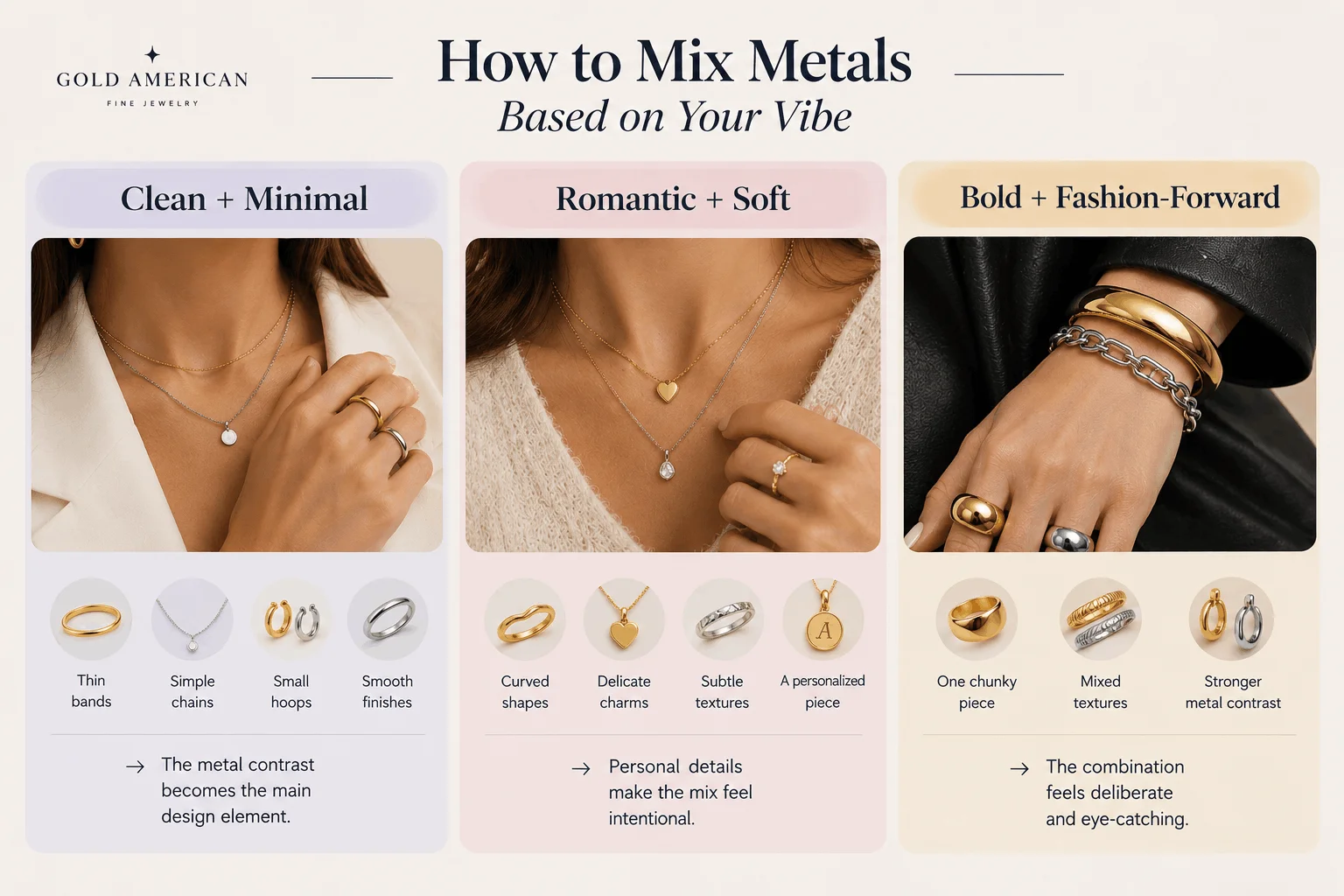
How to mix metals based on your “vibe” (pick one lane)
Mixed metal works best when the style direction is clear. Pick the lane that feels most like you:
Lane 1: Clean + minimal (always looks expensive)
- Thin bands
- Simple chains
- Small hoops
- Smooth finishes
Why it works: the shapes are calm, so the metal contrast becomes the “design.”
Lane 2: Romantic + soft
- Curved shapes, subtle texture
- Small stones (if you wear them), delicate charms
- A personalized piece as the focal point
Why it works: personal details make the stack feel intentional even if the metals vary.
Lane 3: Bold + fashion-forward
- One chunky piece (only one!)
- Mixed textures (rope chain + flat chain)
- A stronger contrast between metals
Why it works: the stack is supposed to be noticeable—so the mix looks like a choice.
Loud outfits — bold prints or bright colors — work best with simpler jewelry shapes.
If your outfit is neutral (black, white, denim, beige), mixed metal pops beautifully. If your outfit is already loud (bold prints, bright colors), go simpler with the jewelry shapes.
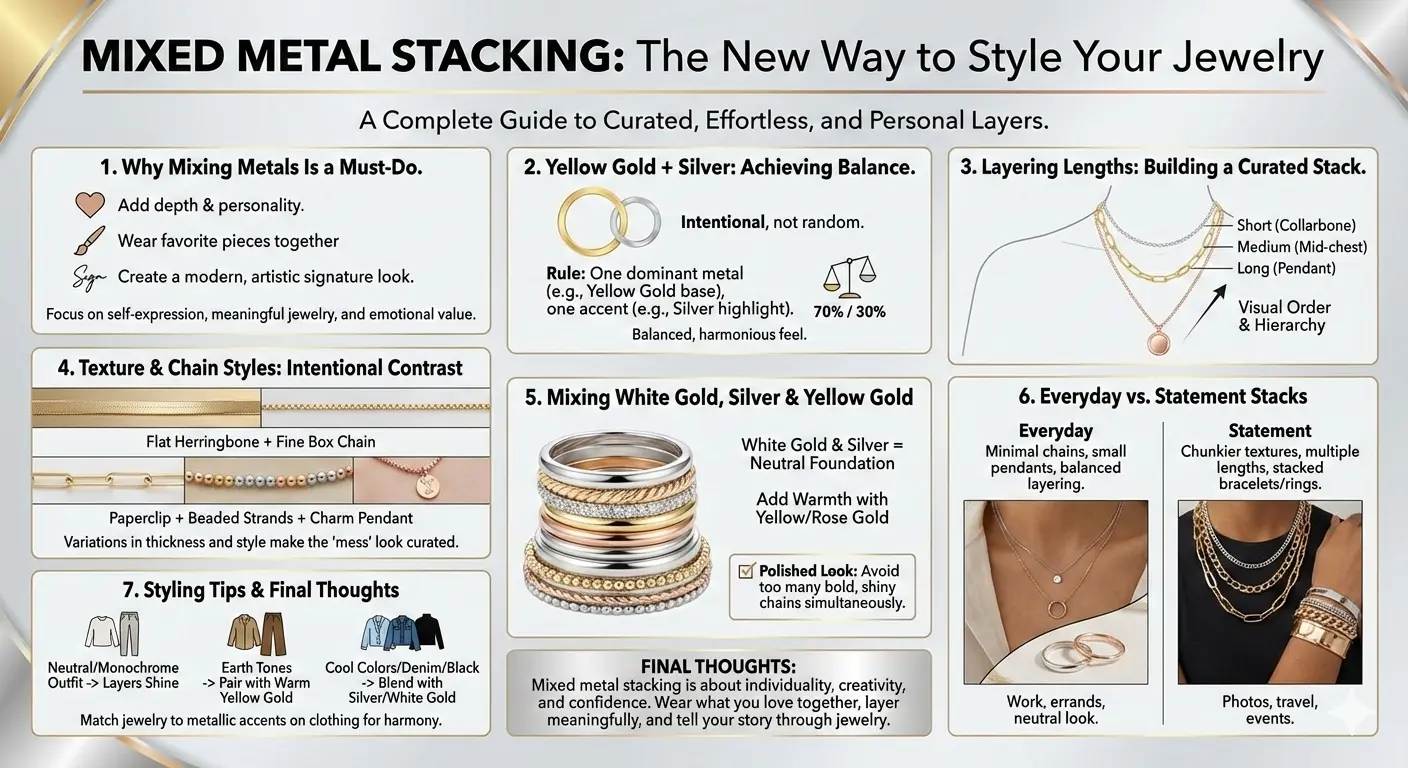
Why Mixing Metals Is the New Must-Do
Fashion is moving away from stiff rules and toward self-expression. Mixing metals allows you to:
- Add depth and personality
- Wear favorite pieces together rather than choosing one
- Create a signature look that feels modern and artistic
Customers are now shopping beyond a single color palette and focusing more on meaningful jewelry, emotional value, and personal styling. This trend is adored by stylists because it offers flexibility, especially when layering necklaces, bracelets, and rings.
Yellow Gold + Silver: How to Get the Balance Right
One of the most popular pairings is yellow gold layered with sterling silver. To keep your stack looking intentional rather than random:
- Use one dominant metal and one accent metal
- For example: Yellow gold as the base, silver as a highlight
- Avoid overly chunky chains competing with each other
Add a Silver Touch to Your Layered Look
Looking to add contrast to your mixed metal stack? Explore our sterling silver jewelry collection and find versatile pieces that pair beautifully with gold, white gold, and other metals for a modern layered style.
How to Stack Chains: Building a Curated Necklace Stack
When learning how to stack chains, start by choosing necklaces with different lengths, textures, and thicknesses so each piece has its own space. One of the easiest ways to create a balanced mixed-metal look is to vary the chain lengths:
- Start with a short chain close to the collarbone.
- Add a medium-length chain.
- Finish with a long pendant necklace.
Different lengths naturally create visual order. The result feels curated rather than chaotic, even when you’re combining different metals.
4. Texture & Chain Styles: Making the “Mess” Look Intentional
Mixed metal stacking shines when you introduce texture, thickness, and style variations:
- Combine flat herringbone with fine box chain
- Mix paperclip chains with beaded strands
- Add a meaningful pendant or charm for personality
A “curated mess” isn’t messy at all — it’s about contrast and harmony working together.
Mixing White Gold, Silver & Yellow Gold Without Clashing
White gold and sterling silver often look similar, so they act as a neutral foundation. Adding yellow gold or rose gold creates warmth and richness.
To keep everything looking polished:
- Use white gold or silver as the base
- Sprinkle in yellow gold for dimension
- Avoid wearing too many shiny, bold chains at once unless you want a statement look
You can easily wear sentimental fine jewelry from different metals together engagement rings, heirlooms, charms, or pendants without switching your entire jewelry wardrobe.
Everyday Stacks vs. Statement Stacks: When to Go Bold
Mixed metal jewelry can be styled for daily wear or special occasions:
Everyday Stacks
- Minimal chains
- Small pendants
- Clean, balanced layering
- Neutral look for work, errands, or dinner
Statement Stacks
- Chunkier textures
- Multiple lengths
- Stacking bracelets or rings
- Perfect for photos, travel, or events
Switching between the two is effortless and fun.
When building a layered jewelry look, the material matters as much as the color. Discover how gold plated and sterling silver compare in durability, maintenance, and everyday wear in our gold plated vs. sterling silver guide.
Styling Tips to Match Mixed Metals With Your Outfit
Your jewelry should feel like part of your outfit, not separate from it. Easy tips:
- Neutral or monochrome clothing lets your mixed-metal layers shine
- Earth tones pair beautifully with warm yellow gold
- Cool colors, denim, and black outfits blend beautifully with silver and white gold
- If your outfit has warm gold buttons or metallic accents, match at least one piece of jewelry to create visual harmony
The goal is balance and self-expression, not perfection.
| Aspect / Topic | Common Issue / Question | Solution / Styling Tip |
|---|---|---|
| Mixing yellow gold & silver | “Will yellow gold and silver clash if I wear them together?” | Choose one dominant metal (e.g., yellow gold) and use the other as an accent to keep the balance. |
| Looking “messy” instead of curated | “My layers look random, not stylish.” | Vary lengths (short/medium/long) and keep 1–2 focal pieces; let other chains stay minimal. |
| Too many chunky chains | “Everything feels heavy and overwhelming.” | Mix one chunky chain with finer chains for contrast instead of using all thick pieces. |
| White gold vs. silver with yellow gold | “Can I wear white gold, silver, and yellow gold all together?” | Use white gold/silver as a neutral base, then add yellow gold for warmth and visual interest. |
| Everyday vs. statement stacks | “How do I switch from casual to bold looks?” | For daily wear: choose 2–3 simple chains. For statement looks: add more layers, textures, and a bold pendant. |
| Matching jewelry to outfits | “My jewelry and clothes don’t feel coordinated.” | With neutral or monochrome outfits, let your mixed-metal stack stand out. Match at least one metal to clothing details like zippers or buttons. |
| Mixing different chain styles | “Different chain designs feel like they don’t belong together.” | Combine different textures (paperclip, herringbone, box chains) but keep a consistent vibe (minimal, boho, or glam). |
| Sentimental pieces in different metals | “My meaningful pieces aren’t the same metal tone.” | Use your sentimental piece as the centerpiece, then build layers around it using complementary mixed metals. |
| Skin tone & metal color | “Which metals flatter my skin tone if I mix them?” | Warm undertones often pair well with yellow or rose gold as a dominant metal. Cool undertones often suit silver or white gold, with touches of gold for contrast. |
| Fear of “breaking the rules” | “Is it still considered ‘wrong’ to mix metals?” | The old rule of not mixing metals is outdated. Modern styling embraces mixed metals through intentional combinations and personal expression. |
Mixed metal stacking is more than a fashion trend it’s a reflection of individuality, creativity, and personal styling confidence. You no longer need to choose between your favorite gold or silver pieces. Wear them together, layer meaningfully, and create a look that feels uniquely you.
Whether you’re building a fine jewelry capsule or adding a bold statement stack, mixed metals help you express your story through jewelry.
If you love personal, intentional styling, this modern approach is absolutely worth trying.
How to Combine Mixed Metals When Layering Jewelry (Gold + Silver)
you can mix gold and silver, and when it’s done right, it looks modern, effortless, and intentional. The key is balance. Instead of treating gold and silver as opposites, think of them as tones that work together.
Start by choosing one metal as your base. This could be gold or silver, depending on what you wear most. Then add the second metal as an accent. For example, if you’re wearing mostly gold, a single silver chain or ring helps break up the look without overpowering it.
Keeping your pieces in similar styles also helps. Simple chains with simple chains, delicate rings with delicate rings. When the design language matches, mixing metals feels natural instead of random.
Layering & Mixing Metals: The Simple Rule That Makes It Look Expensive
The easiest rule to remember is this: repeat each metal at least twice.
Wearing one gold piece and one silver piece can look accidental. But when each metal appears more than once, the look feels styled and intentional. For example, two gold necklaces and one silver bracelet—or two silver rings and one gold necklace.
Another tip is to vary lengths and sizes. Short and long chains together, thin and slightly thicker pieces side by side. This creates depth and prevents the jewelry from competing for attention.
When your metals are balanced and thoughtfully repeated, the entire look instantly feels more polished and elevated.
How to Layer Gold and Silver Without Clashing
A mixed metals necklace stack works best when the pieces share at least one visual element, such as chain style, length, or overall vibe.
Clashing usually happens when pieces are too bold or too different from each other. To avoid this, keep at least one element consistent this could be chain style, thickness, or overall vibe.
Necklaces are the easiest place to start. Try layering a short gold chain, a medium-length silver chain, and a longer gold pendant. The different lengths create flow, while the mixed metals add interest.
For everyday wear, stick to clean, well-made pieces and avoid over-layering. Two or three pieces are often enough. If it feels comfortable and natural, it usually looks right.
Mixing metals isn’t about rules it’s about confidence. When your jewelry feels intentional and suits your personal style, gold and silver naturally belong together.
FAQs About Mixed Metal Stacking
Is it still a “fashion rule” that you shouldn’t mix metals?
No, that rule is completely outdated. Modern styling actually encourages mixed metals. The key is to do it intentionally: vary lengths, pick one dominant metal, and keep a clear focal point in your stack.
How do I start mixing yellow gold and silver without looking messy?
Start small:
- Choose one metal as your base (for example, yellow gold)
- Add 1–2 silver pieces into the stack
- Use different lengths so the chains don’t sit on top of each other
This gives you a soft, blended look instead of a chaotic one.
Can I wear my white gold engagement ring with yellow gold or silver bands?
Absolutely, yes. White gold and silver act like a neutral metal. You can stack yellow gold or rose gold bands around your white gold ring to create a modern, layered look that feels personal and unique.
How many necklaces should I layer for an everyday look?
For everyday wear, 2–3 necklaces are usually perfect:
- One short (near the collarbone)
- One mid-length
- Optional third longer piece with a small pendant
This gives subtle dimension without feeling heavy or overdone.
What’s the best way to make my mixed metal stack look “curated” instead of random?
Think in terms of structure and story:
- Structure: Different lengths, 1 dominant metal, 1 hero piece
- Story: Add at least one meaningful piece (initial, birthstone, charm, heirloom)
When your stack feels personal and well-balanced, it looks like a curated style choice, not an accident.
5 Common Mistakes When Mixing Metals
01. Wearing All Chains at the Same Length
Fix: Always stagger lengths — choker / mid / long. This instantly makes the stack look intentional and styled.
02. Using Too Many Statement Pieces at Once
Fix: Choose one hero piece — such as a bold pendant or chunky chain — and let the rest be supporting, delicate layers.
03. Ignoring a Dominant Metal
Fix: Pick one dominant metal and use the others as accents.
Example: 70% Gold + 30% Silver
04. Not Matching the Vibe of the Outfit
Fix:
Simple, light stack Dinner / Events / Parties
More texture and layers
05. Forgetting About Skin Tone & Personal Style
Fix:
Let yellow / rose gold lead; add silver / white gold as accents. Cool undertones
Let silver / white gold lead; sprinkle in yellow gold.
Tell us your favorite combination!