

What Is the Best Chain for Pendant?
The best chain for a pendant depends on its weight, size, and style. Cable, rolo, and box chains are versatile choices for most everyday pendants. For heavier pendants, consider a durable wheat chain or a thicker rolo chain, while a curb chain works well for a bolder look.
Before choosing, check these four things:
- Pendant weight and chain thickness
- Bail opening and chain compatibility
- Necklace length and desired fit
- Clasp security and durability
A pendant can be the “star” of a necklace your initial, a meaningful symbol, a charm, or a diamond drop.
But the chain is what makes it wearable, comfortable, and long-lasting.
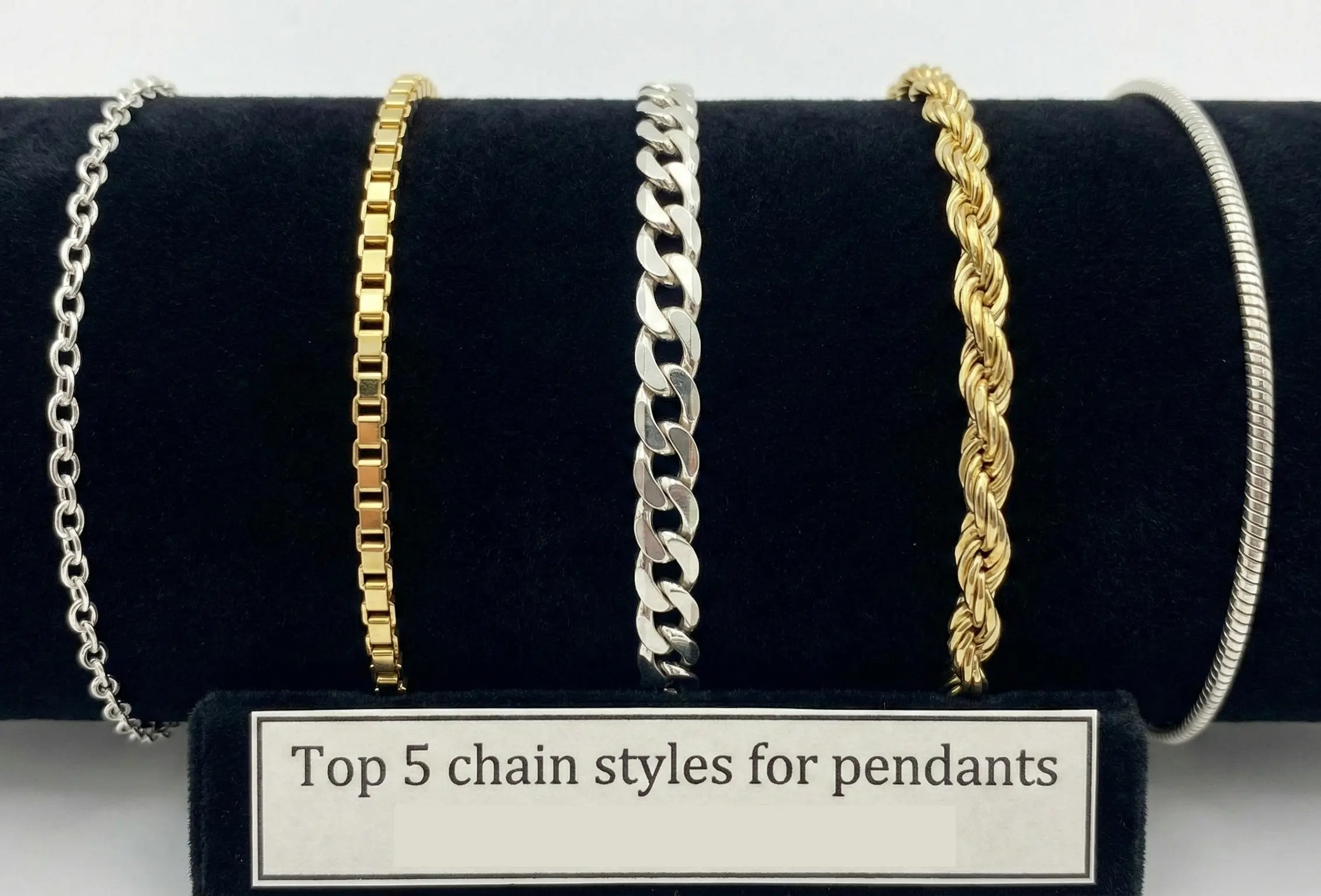
Best Chain Type for a Pendant
Here is how to choose the best chain type for a pendant based on real-life wear, not just how it looks in a photo. For most everyday pendants, rolo, cable, and box chains are the safest choices because they balance strength, comfort, and a clean look. If your pendant is a bit heavier or you want extra durability, wheat (spiga) is a great upgrade. Choose your chain thickness based on pendant size, and always confirm the pendant bail fits the chain.
| Pendant situation | Recommended chain | Reason |
|---|---|---|
| Small initial or dainty charm | Cable or rolo | Balanced, light, and easy to style |
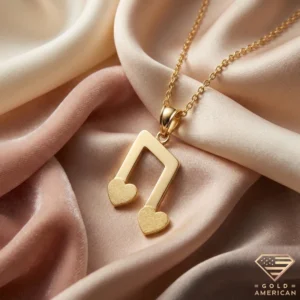
| Minimalist or slider pendant | Box or cable | Clean shape and smooth movement |
| Heavier pendant for frequent wear | Wheat or thicker rolo | Better support and durability |
| Bold statement pendant | Curb or thick rolo | Matches the visual weight of the pendant |
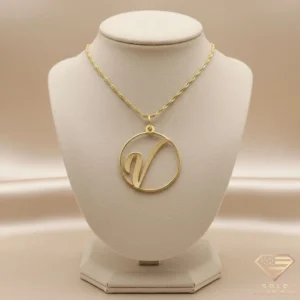
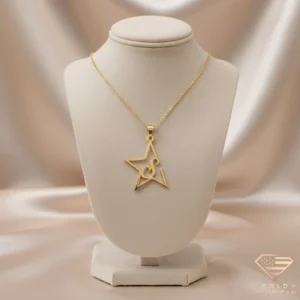
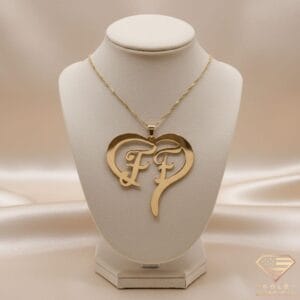
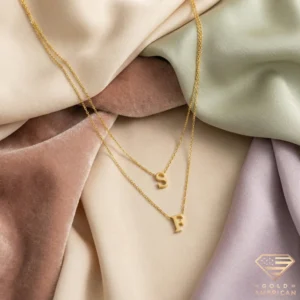
Looking for inspiration? Explore our collection of pendants and custom gold name necklaces to find a piece that reflects your personal style. For more inspiration, discover our guide to Best Gold Necklaces For Women and find styles that complement your everyday look or make a meaningful gift.
Browse our products below to find your favorite pendant or personalized name necklace and choose a design that feels uniquely yours.
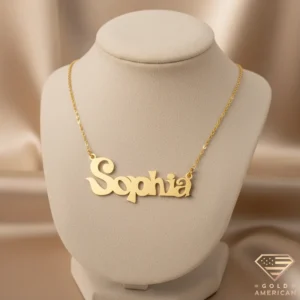
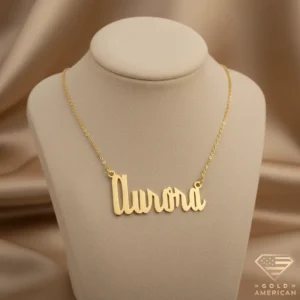
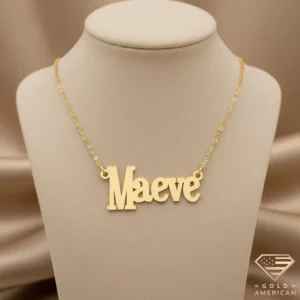
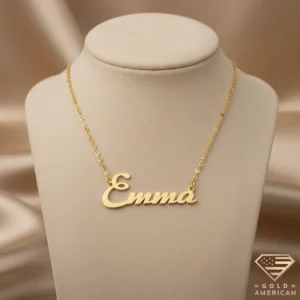
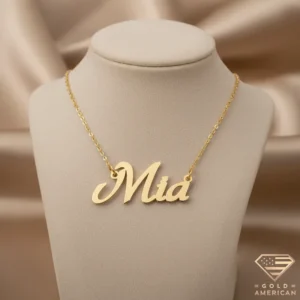
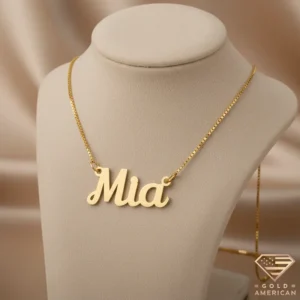
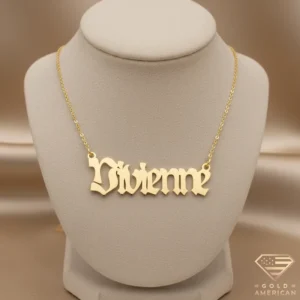
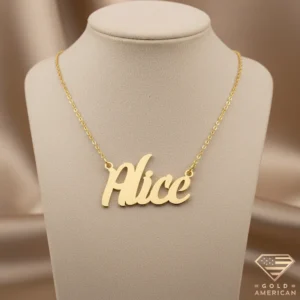
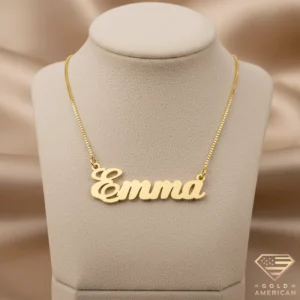
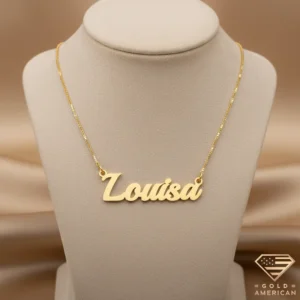
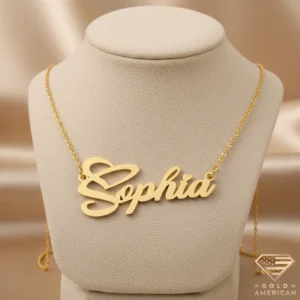
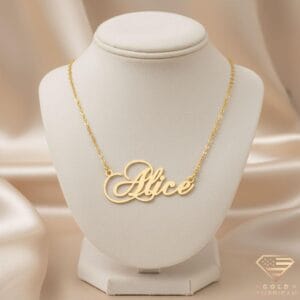
The best chain for pendant (pros + best use)
Below are the chain styles that work best for pendants—starting with the most versatile.
Cable chain (classic + reliable)
Best for: small-to-medium pendants, everyday wear, minimalist style
Cable chains are the “plain white tee” of chains: simple oval links, clean look, easy to pair with almost any pendant.
Why it works:
- Strong for its weight (when thickness is appropriate)
- Classic look that doesn’t fight the pendant
- Repairs are usually straightforward
Watch-outs:
- Ultra-thin cable chains can kink or stretch if the pendant is too heavy
- Very tiny links can look delicate next to bold pendants
If you want a safe default: cable is almost always a good starting point. It is especially easy to pair with a personalized gold name necklace when the pendant is light to medium in weight.
Rolo (belcher) chain (smooth + strong)
Best for: pendants you wear daily, slightly heavier pendants, a rounded “premium” look
Rolo chains have round links (or rounded oval links), so they tend to move smoothly and feel comfortable.
Why it works:
- A bit more “substantial” than cable at similar thickness
- Doesn’t twist as much as some flat styles
- Looks polished—especially in solid gold
Watch-outs:
- Very large rolo links can overwhelm a tiny pendant
- If the links are hollow, it can dent more easily than solid links
If you’re buying one chain to wear forever: rolo is one of the best options.
Box chain (clean + modern, great for slider pendants)
Best for: minimalist pendants, geometric pendants, everyday wear, “sleek” style
Box chains are made of squared links. They look modern and clean, and they hold their shape nicely.
Why it works:
- Feels smooth and neat
- Often holds up well to daily movement
- Great for pendants that slide (not fixed pendants)
Watch-outs:
- Very thin box chains can kink if yanked
- Repairs can be harder depending on construction
If you love a crisp, simple look: box chain is a top pick.
Wheat (spiga) chain (durable + elegant)
Best for: heavier pendants, frequent wear, people who are hard on jewelry
Wheat chains are woven and flexible. They tend to look “luxurious” without being loud.
Why it works:
- Very strong for daily wear
- Resists kinking better than many thin chains
- Looks great even without a pendant
Watch-outs:
- Slightly more expensive due to complexity
- If extremely thin, it can still snag (like any chain)
If you want durability without a chunky look: wheat is the upgrade choice.
Curb chain (bold + stable)
Best for: medium-to-heavy pendants, streetwear styles, flatter “neck-hugging” looks
Curb chains lie flat. That can help some pendants sit stable but it depends on pendant shape and bail style.
Why it works:
- Strong, especially in moderate thickness
- Doesn’t tangle easily
- Great for a “statement” vibe
Watch-outs:
- Can twist if the pendant bail pulls at an angle
- A delicate curb chain can flatten or bend if it’s too thin
If your pendant is bold: curb can match it well.
Figaro chain (stylish, but choose carefully)
Best for: casual pendants, charm-style pendants, layered looks
Figaro chains mix short and long links. They’re stylish—but visually “busy.”
Why it works:
- Adds personality
- Looks great layered
Watch-outs:
- Can compete with detailed pendants
- Pendant may not slide smoothly depending on bail
If the pendant is simple: figaro can be a nice fashion-forward choice.
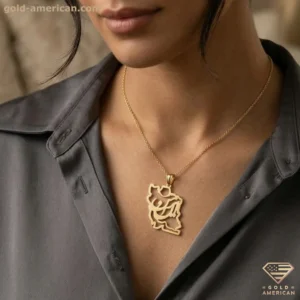
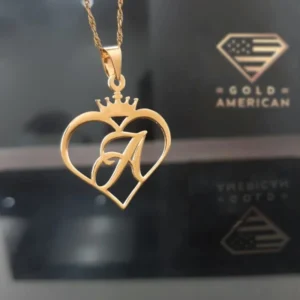
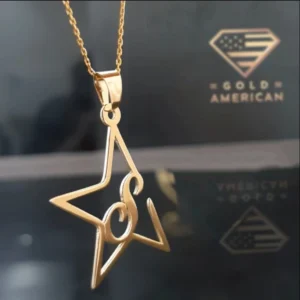

Why chain choice matters more than people think
When someone says, “My pendant keeps flipping,” “My necklace keeps breaking,” or “My chain looks too thin,” it’s rarely the pendant’s fault.
What we commonly see with customers (especially with daily-wear pendant necklaces):
- Chains that are too thin for the pendant’s weight → weak points form over time
- Bails that don’t fit the chain → the pendant rubs, catches, or sits awkwardly
- Very flat chains paired with heavier pendants → twisting and flipping
- Poor clasp choices → the necklace “migrates” and the clasp ends up in front
- Wrong length → the pendant lands at an odd spot and never sits centered
A good chain should do three things:
- hold the pendant securely
- sit nicely on your neck
- survive real life (sleepy mornings, jackets, handbags, daily movement)
How to Choose the Right Chain (Step-by-Step)
This is the exact checklist we use when helping someone pick a pendant chain.
Check Pendant Weight + Size
You don’t need a jewelry scale to make a smart choice. Start by checking your pendant’s approximate weight and size.
Match Chain Thickness to the Pendant
A beautiful pendant can look unbalanced when paired with a chain that is too thin. Choose a thickness that complements its size and weight.
Make Sure the Bail Fits
The bail is the loop through which a pendant hangs. If your chain is thicker than the bail opening, it may not fit or could rub against the pendant.
Pick the Right Length
Chain length affects where your pendant sits, how it layers, and whether it catches on clothing. Review our necklace length guide before choosing.
Choose a Clasp You Can Trust
A chain is only as dependable as its clasp. Consider security, ease of use, and whether the clasp suits the chain style.
Before you buy: Check the pendant’s weight, chain thickness, bail opening, length, and clasp. The right combination balances style, comfort, and durability.
Common mistakes (we see these all the time)
- Choosing the prettiest chain, not the right chain
Some chains look amazing in a close-up photo but twist or snag in real life. - Going too thin “because it’s dainty”
Dainty is a look—not a durability plan. If you wear it daily, build in strength. - Ignoring the bail fit
Even a great chain can get damaged if the bail rubs aggressively. - Pairing a heavy pendant with a hollow chain
Hollow links can dent. For heavier pendants, solid construction usually holds up better. - Wearing the same chain 24/7 without basic care
Lotions, sweat, and friction add up. A little maintenance goes a long way. Jewelry care basics like wiping after wear and gentle cleaning are commonly recommended by industry organizations.
Style match: chain type by pendant style
If you want it simple, use this pairing list:
- Minimal bar pendant: box, cable, rolo
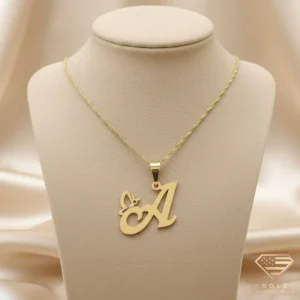
- Initial pendant / small charm: cable, rolo
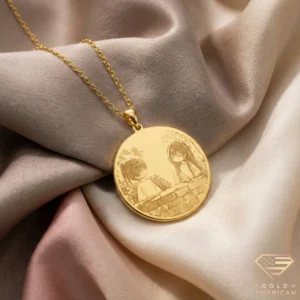
- Coin / medallion: rolo, wheat, curb (moderate thickness)
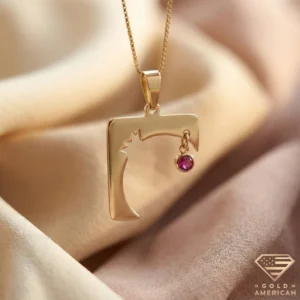
- Diamond or gemstone drop: rolo or cable (balanced), wheat for durability
- Religious or symbolic pendant (daily wear): wheat or rolo
- Statement pendant: curb or thicker rolo (let it feel intentional)
| Chain type | Best use | Main caution |
|---|---|---|
| Cable | Small to medium pendants and everyday wear | Very thin versions can stretch |
| Rolo | Daily wear and slightly heavier pendants | Large links can overwhelm a small pendant |
| Box | Minimalist and slider pendants | Thin versions can kink if pulled |
| Wheat | Heavier pendants and extra durability | Usually costs more because of its construction |
| Curb | Bold pendants and statement styling | The pendant may twist if the bail pulls at an angle |


Care tips: keep your chain looking new
A pendant chain gets touched constantly skin, hair, perfume, collars, scarves.
Practical care that helps:
- Wipe after wear with a soft cloth (reduces buildup).
- Use mild soap + warm water for gentle cleaning when needed, and rinse carefully (a bowl is safer than a sink).
- Store chains separately to reduce tangling and abrasion
- Take it off for swimming/gym if you’re hard on jewelry (chemicals + impact aren’t friendly)
Sensitive skin note: nickel is a common cause of jewelry-related allergic contact dermatitis, so if you react to jewelry, consider nickel-safe metals and consult a professional if symptoms persist. You can also review this gold allergy guide for more information.
If you want the best chain for pendant, choose a style that’s proven for daily wear
- Most people: rolo, cable, or box
- Heavier pendants / extra durability: wheat
- Bolder look: curb (in the right thickness)
For more ideas, compare necklaces and pendants before choosing the final chain and pendant combination. If you are buying a personalized piece, also consider the design, material, and intended use rather than choosing a chain by appearance alone.
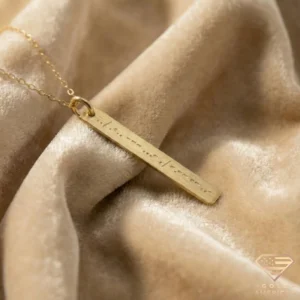
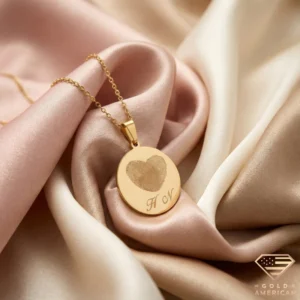
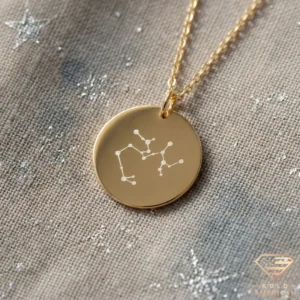
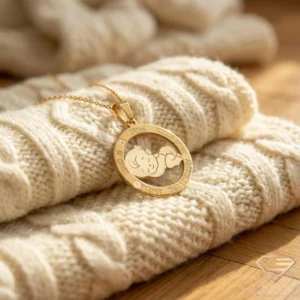
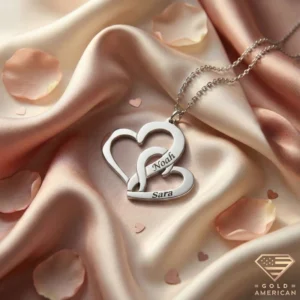
Looking for a meaningful piece of jewelry? Explore our engraved necklaces and find a personalized design to celebrate a special person, memory, or moment.
Shop Engraved Necklaces
FAQs
- What is the strongest chain for a pendant?
For daily wear, many people choose wheat or a properly-thick rolo/cable chain because they hold up well and feel comfortable. - Is a box chain good for a pendant?
Yes box chains are a great match for minimalist pendants and clean styles. Just avoid going too thin if your pendant has weight. - What chain won’t break easily for everyday wear?
A chain that matches your pendant’s weight: rolo, cable, or wheat in an appropriate thickness, plus a secure clasp.
