
white gold vs yellow gold vs rose gold
Rose gold, yellow gold, and white gold are all real gold. The main difference is the alloy metals mixed with pure gold, which create their distinct colors and characteristics.
Yellow gold offers a warm, classic look, rose gold has a soft, romantic tone, while white gold provides a bright, modern appearance. The right choice depends on your skin tone, personal style, lifestyle, budget, and maintenance preferences.
Choosing between rose gold, yellow gold, and white gold can feel confusing because all three offer a distinct look and style. The best choice depends on your personal style, skin tone, lifestyle, and how you plan to wear your jewelry.
This guide compares the key differences between each gold color, including appearance, durability, maintenance, skin sensitivity, and price, to help you find the option that suits your needs.
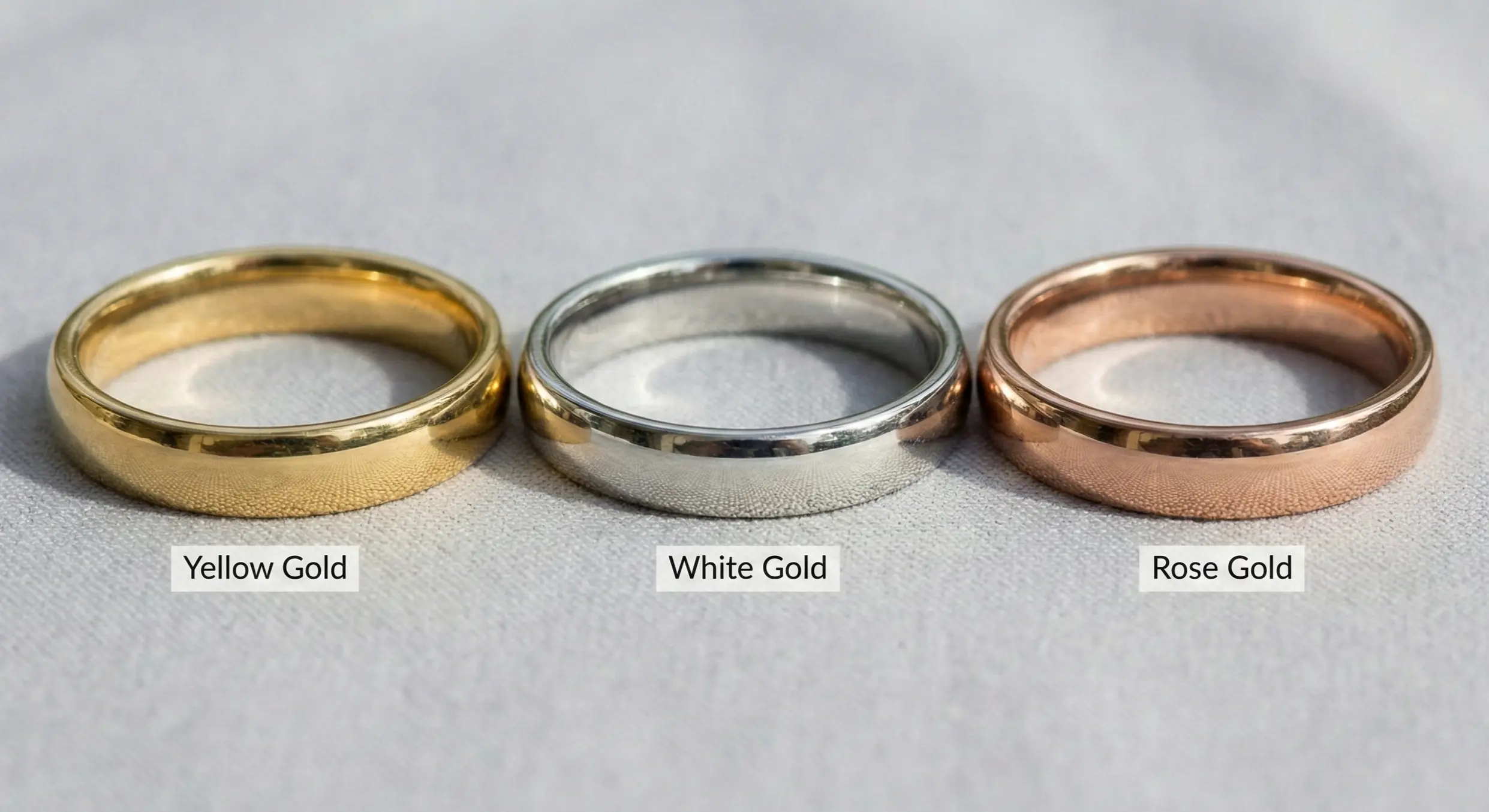
Compare white gold vs yellow gold vs rose gold and learn which gold color is best for your skin tone, style, budget, and everyday jewelry.
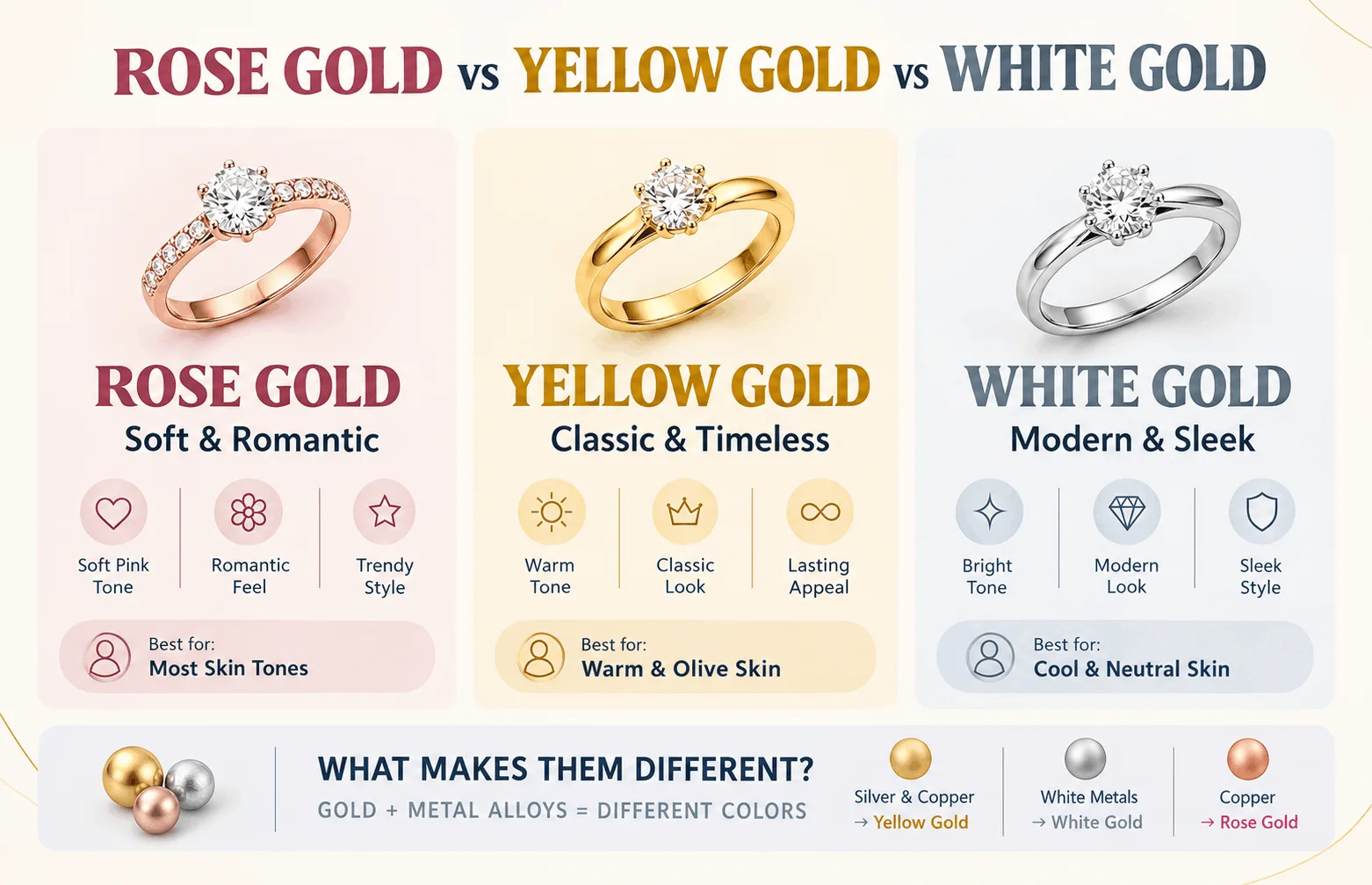
Quick Comparison: yellow gold vs rose gold vs white gold (At a Glance)
- Yellow Gold: Classic, warm, and timeless
- White Gold: Bright, modern, and sleek
- Rose Gold: Soft, romantic, and trendy
All three are real gold the difference comes from the metal alloys mixed with pure gold.
| Feature | Yellow Gold | White Gold | Rose Gold |
|---|---|---|---|
| Color & Appearance | Warm, rich, classic gold tone | Bright, silvery-white, modern | Soft pink, romantic, trendy |
| How It’s Made | Gold mixed with silver & copper | Gold mixed with white metals (often nickel or palladium) | Gold mixed mainly with copper |
| Best Skin Tones | Warm & olive undertones | Cool & neutral undertones | Works well on most skin tones |
| Durability | Softer, scratches show more easily | Strong, but surface may wear | Most durable due to copper |
| Maintenance | Low maintenance | Needs rhodium replating over time | Very low maintenance |
| Allergy-Friendly | Best for sensitive skin | May cause reactions if nickel-based | May irritate copper-sensitive skin |
| Best For | Classic jewelry, heirloom pieces | Engagement rings, modern styles | Everyday wear, vintage & romantic designs |
| Price Range | Similar across colors (depends on karat) | Slightly higher long-term upkeep | Similar, often best value long-term |
| Aging Over Time | Develops natural patina | Loses whiteness without replating | Keeps color naturally |
How do i choose between yellow gold, white gold, and rose gold for a dress watch?
Choose yellow gold for a timeless dress watch with a warm, classic luxury look.
Choose white gold for a clean, modern style that pairs well with silver jewelry and formal outfits.
Choose rose gold for a softer, elegant tone that adds warmth without looking too bold.
The best gold color for a dress watch depends on your skin tone, wardrobe, and the jewelry you wear most.
Color & Look: Which Gold Tone Matches Your Skin Undertone Best?
- Yellow Gold looks best on warm and olive skin tones and gives a rich, traditional glow.
- White Gold flatters cool and neutral skin tones with a clean, silvery shine.
- Rose Gold works beautifully on almost all skin tones, especially fair to medium, thanks to its soft pink warmth.
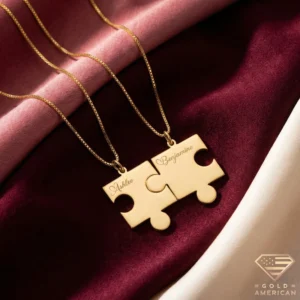
Explore Yellow Gold Jewelry
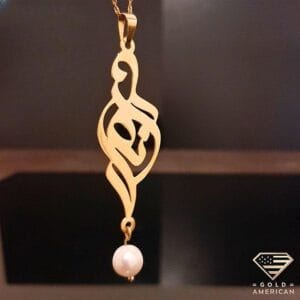
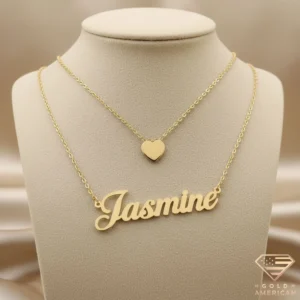
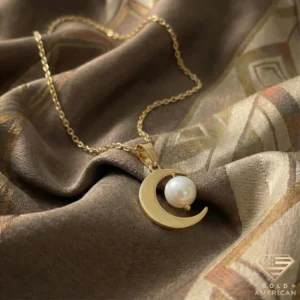
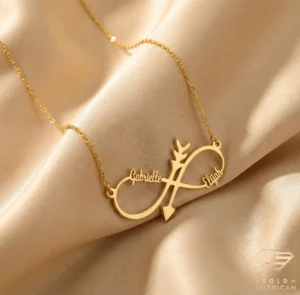
Discover our yellow gold jewelry collection below and find timeless pieces with a warm, classic glow.

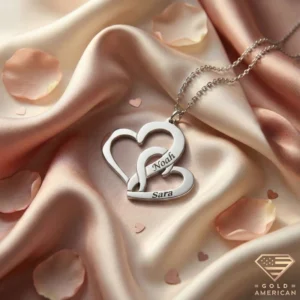
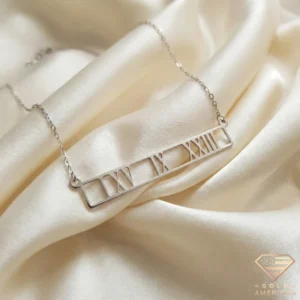
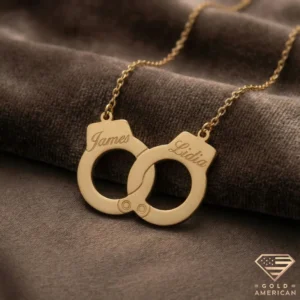
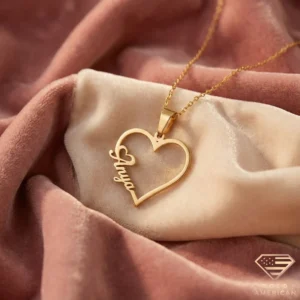

Durability for Everyday Wear: Which One Scratches or Dents Less?
Durability depends more on karat (10K, 14K, 18K) than color, but alloy metals matter too:
- Rose Gold is usually the most durable because copper makes it stronger.
- White Gold is strong but may scratch slightly more due to softer alloys.
- Yellow Gold is softer and may show scratches more easily, especially in higher karats.
For daily wear like necklaces or rings, 14K gold is often the best balance.
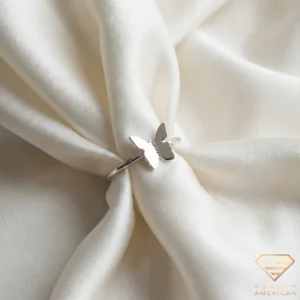
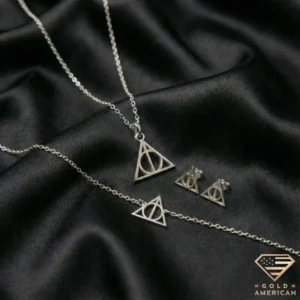
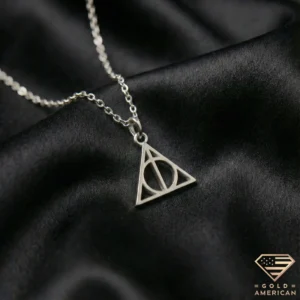
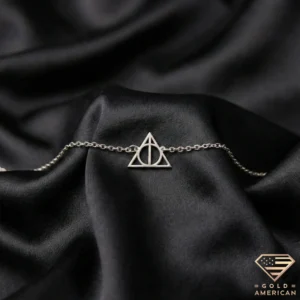
Explore White Gold Jewelry
Browse our white gold jewelry collection below for a clean, elegant, and modern look.


Allergies & Sensitive Skin: Nickel, Copper, and What to Choose
If you have sensitive skin or are allergic to gold, learn more about common gold allergies, their causes, and how to choose jewelry that’s less likely to cause irritation.
- Yellow Gold is usually the safest for sensitive skin.
- White Gold may contain nickel, which can irritate some people (many brands now offer nickel-free options).
- Rose Gold contains copper, which can cause reactions for a small number of people.
If you have very sensitive skin, always check the alloy details before buying.
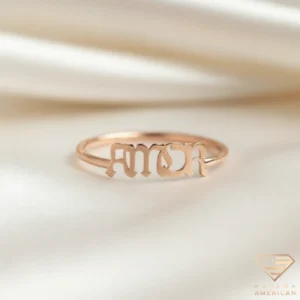
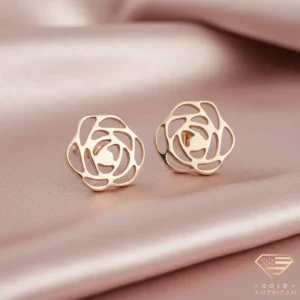
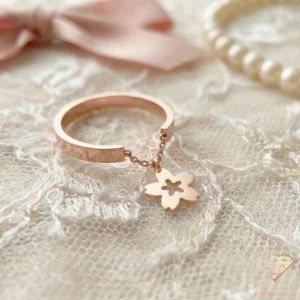
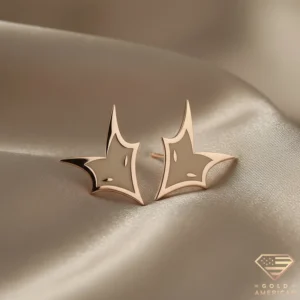
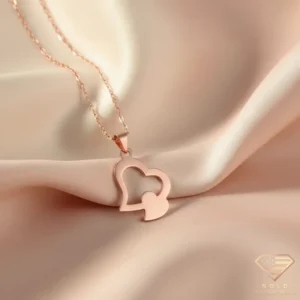
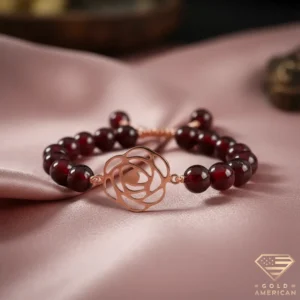
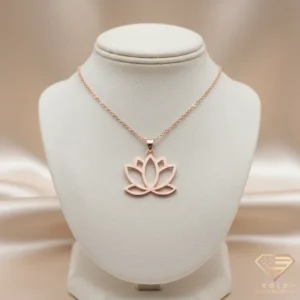
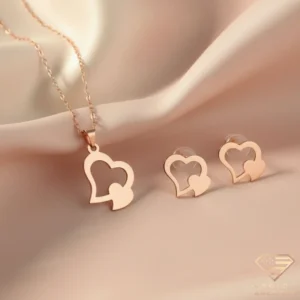
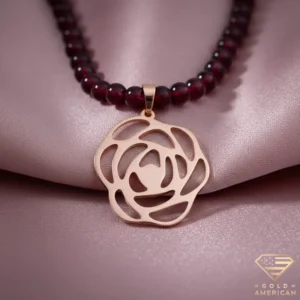
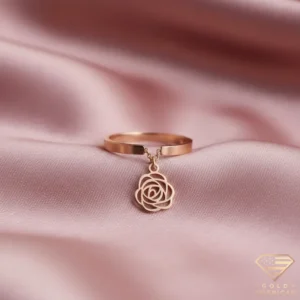
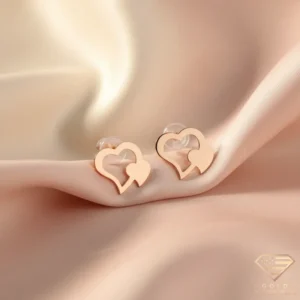
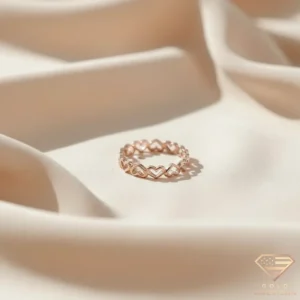
Explore Rose Gold Jewelry
Explore our rose gold jewelry collection below and discover pieces with a soft, warm, and romantic finish.


Maintenance & Care: Rhodium Plating, Polishing, and Keeping the Shine
- White Gold needs occasional rhodium replating to keep its bright white finish.
- Yellow Gold is low-maintenance and only needs regular cleaning.
- Rose Gold keeps its color naturally and doesn’t require replating.
If you prefer low upkeep, yellow or rose gold may be easier long-term.
Best for Engagement Rings & Wedding Jewelry: Pros and Cons by Color
- Yellow Gold: Timeless and traditional—great for classic designs.
- White Gold: Popular for engagement rings because it enhances diamonds.
- Rose Gold: Romantic and unique—perfect for vintage or modern styles.
Many couples now choose mixed-metal designs for a personalized look.
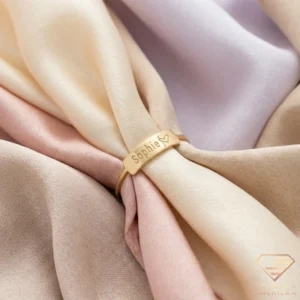
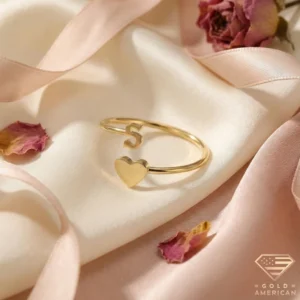
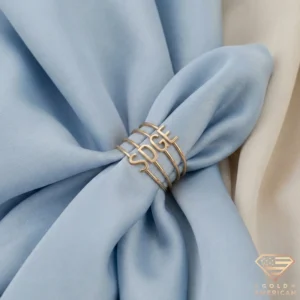
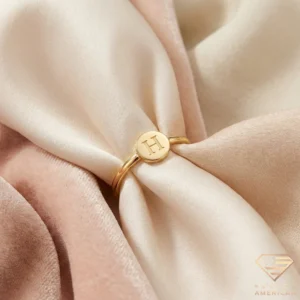
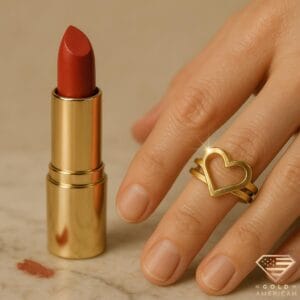
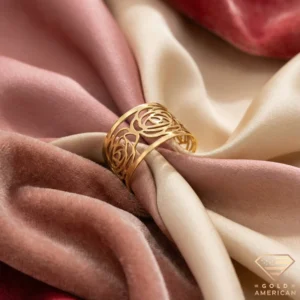
Explore our gold rings collection to discover engagement and wedding ring styles in different gold colors.






Price & Value: What Affects Cost (Karat, Alloy Mix, and Replating)
Gold color alone doesn’t change price much. Cost depends on:
- Karat weight (14K vs 18K)
- Gold market price
- Design and craftsmanship
- Maintenance (like rhodium replating for white gold)
White gold may cost slightly more over time due to upkeep.
Which Gold Color Should You Choose?
- Choose yellow gold for a classic, timeless look
- Choose white gold for modern elegance and diamond brilliance
- Choose rose gold for warmth, romance, and versatility
The best gold is the one that fits your lifestyle and personal style, not just trends.


Common Mistakes People Make When Choosing Gold Color
Choosing based only on trends
Trends change. Pick a gold color that matches your skin tone and personal style, not just what’s popular right now.
Ignoring maintenance needs
Many buyers don’t realize white gold needs rhodium replating. If you want low upkeep, yellow or rose gold may be better.
Not considering skin sensitivity
Some people react to nickel (white gold) or copper (rose gold). Always check the alloy if you have sensitive skin.
Assuming higher karat is always better
Higher karat means purer gold, but also softer. For everyday jewelry, 14K is often more practical than 18K.
Mixing metals without a plan
Mixing gold colors can look beautiful—but without balance, it may look unintentional. Stick to a clear style or design theme.
Share your favorite gold color and tell us why it suits your style.
Common FAQs
Is rose gold real gold or just a color coating?
Yes, rose gold is real gold. Its pink color comes from mixing pure gold with copper not from plating or paint.
Does white gold turn yellow over time?
White gold doesn’t turn yellow, but the rhodium plating can wear off, revealing a warmer tone underneath. Replating restores its bright white look.
Which gold color is best for everyday wear?
Rose gold and white gold are both durable for daily wear, especially in 14K. Rose gold is often the most scratch-resistant.
Is yellow gold better for sensitive skin?
In most cases, yes. Yellow gold is usually the safest option for sensitive skin because it contains fewer allergy-triggering metals.
Is one gold color more expensive than the others?
No major price difference by color. Cost depends more on karat, weight, design, and maintenance needs not color alone.
Does rose gold turn yellow
Rose gold does not turn yellow under normal wear.
Its warm pink tone comes from copper mixed with gold, and over time it may slightly soften or look warmer, but it won’t change into yellow gold. With proper care, rose gold keeps its color for years.